

The single biggest decision when planning a French Alps trip isn't where you go. It's when. The same valley delivers four entirely different holidays depending on the month you land. Show up to Val d'Isere in February and you're skiing one of the great ski areas on Earth. Show up in May and you'll find a half-shuttered village waiting for snow to melt. The mountains don't change. The experience changes completely.
So before you book a thing, decide what trip you actually want. Here's how the seasons break down, who each one is for, and the mistake that quietly ruins more Alps trips than any other.
The seasons at a glance
- Peak season
- Jul–Aug
- Sweet spot
- September
- Quietest
- May, Oct–Nov
- Ski season
- Dec–Apr
| Season | Weather | Lakes to swim? | High ski resorts | Crowds | Best for |
|---|---|---|---|---|---|
| Summer (Jul–Aug) | Warm, lake-beach weather | Yes (Annecy) | Closed (summer glacier only) | High | Swimming, hiking, cycling |
| September | Stable, golden, calm | Early Sept, yes | Closed | Moderate, dropping | The all-round sweet spot |
| May / Oct–Nov | Mild in lake towns, high resorts shut | No | Between seasons | Low | Low-key lake-town breaks |
| Winter (Dec–Apr) | Cold, snowy | No | Open, world-class | High at peak | Skiing and snowboarding |
Now the detail.
Month by month in the French Alps
If you already know roughly when you can travel, start here. This is the whole year at a glance, what the weather and snow do, how busy it gets, what's actually running, and what each month is best for.
| Month | Weather & snow | Crowds | Lifts / season | Best for |
|---|---|---|---|---|
| January | Cold, deep winter snow | Busy over the holidays, quieter midweek | Ski season in full swing | Skiing, shorter midweek queues |
| February | Coldest, most reliable snow | Busiest and priciest (half-terms) | Peak ski season | Guaranteed snow (book early) |
| March | Sunnier, good snow up high | Quieter after half-terms | Full ski season | Spring skiing with sun |
| April | Warmer, lower resorts thinning | Shoulder begins | High resorts ski into late April | High-altitude skiing, ski touring |
| May | Green valleys, high country still snowbound | Quiet | Many lifts and huts closed | Low-valley walks, towns, value |
| June | Flowers out, lakes warming | Few crowds | Summer lifts and trails open from late June | Early-summer hiking, quiet |
| July | Warm, everything open | Busy | Full summer season | Lakes, high hiking, the Tour de France |
| August | Warmest, lakes at their warmest | Peak crowds (French holidays) | Full summer season | Swimming, families (book ahead) |
| September | Warm days, golden light | Thinner crowds | Lifts open early month, then wind down | Hiking and value, the sweet spot |
| October | Crisp, gold larches, variable | Quiet | Lifts and huts closing | Autumn colour, towns, low walks |
| November | Low season, awaiting snow | Very quiet | Most high country closed | Cities and spas only |
| December | Ski season opens (~mid-month) | Quiet early, peak at Christmas/New Year | Ski season from mid-Dec | Early-season skiing, Christmas markets |
Summer (July–August): peak everything
This is the Alps at full volume. The lakes are warm enough to swim in, and that matters more than people expect. Trails are clear of snow, the cable cars and chairlifts are spinning to carry hikers and bikers up high, and the whole high-mountain world is open for business.
It's also the most theatrical month. The Tour de France grinds over the legendary high cols in July, and you can still ski in summer on the glacier above Val d'Isere, snow in one hand and sunshine in the other. The catch is obvious: this is when everyone else comes too. Prices peak, Annecy's old town fills, and the famous trailheads near Chamonix get busy by mid-morning. (For how to spend the days there, see the best things to do in Chamonix.) You trade solitude for certainty, everything is open, and the weather is at its most generous.
September: the sweet spot
(The cross-Alps case for the month lives in the Alps in September.)
If we had to pick one month for the French Alps, it would be September. The crowds thin out the moment schools go back, but the infrastructure is still running and the weather is often more stable than midsummer. You get warm, clear days, cold honest nights, and a low golden light that makes the peaks look carved.
The lakes are still swimmable in early September, the high trails are at their most reliable before the first snows, and the towns feel like they belong to the people who live there again. Hotels relax their rates. Restaurants stop turning tables. It's the connoisseur's month, and almost nobody books it.

The shoulder seasons (May, October–November): proceed with care
This is where trips go wrong. In the gaps between winter and summer, the high ski resorts essentially close. Courchevel and Val d'Isere wind down in spring and don't fully reopen until the snow returns, lifts stopped, hotels dark, villages quiet. May is too late to ski and too early for the high-mountain summer; the snow is melting but the lakes are still cold.
The saving grace is the lower lake towns. Annecy and Aix-les-Bains stay reliably open and pleasant through the shoulders, the old streets, the cafés, the lakeside walks all keep working even when the high peaks are between acts. (A lake-and-spa trip is lovely here: see the French lakes and spas 5-day route.) So shoulder season isn't off-limits. It just means choosing a lake base over a ski resort, and adjusting your expectations accordingly.
Winter (December–April): world-class skiing
This is what the French Alps are famous for, and the reputation is earned. The choices are extraordinary. Courchevel sits inside the Trois Vallées, the largest linked ski area on the planet. Val d'Isere anchors the Espace Killy, a snow-sure high-altitude playground. Morzine opens the door to the sprawling Portes du Soleil, straddling the French-Swiss border. Chamonix delivers serious, dramatic, big-mountain terrain in the shadow of Mont Blanc, and chic Megève brings the polished, fireside side of Alpine winter.
Peak season runs through the holidays and February half-terms, when prices and crowds spike. January can be quieter and colder; March often brings the best combination of solid snow and longer, sunnier days. Just know the season is real winter, short days, cold, and snow that can disrupt mountain roads.
For the resort-by-resort winter map, France's giant domains included, see where to ski in the Alps.
Events and peak weeks to plan around
A handful of dates move prices and crowds far more than the calendar alone suggests. Plan around these, or toward them if they're the reason you're going.
- Christmas and New Year (mid-December to early January): festive and magical, but the priciest, busiest ski weeks of the year.
- February half-terms (French and wider European): the biggest crowd and price spike of the whole ski season.
- The Tour de France (July): the legendary Alpine stages over the Galibier, Alpe d'Huez, and the Col de l'Iseran draw crowds and close roads on stage days.
- Annecy in summer: the Fête du Lac fireworks (early August) and the Annecy animation film festival (June) pack the lakeside, so book Annecy well ahead around those dates.
What to pack, by season
Pack for range. In summer, swimwear and sun protection plus a fleece and rain shell for the high trails. In September, add a warm layer for cold nights. In shoulder season, lean toward town clothes and waterproofs, you won't be high. In winter, full ski and cold-weather kit, and if you're driving, expect snow-tire requirements and carry chains for the resort roads (we cover this in getting to the French Alps by train or car).
Who each season is for
- Summer: families wanting lake swimming and easy logistics, road-cycling fans, hikers who want every lift and trail open, and anyone who values certainty over quiet.
- September: couples, photographers, and seasoned travelers who want the summer experience minus the crowds and the prices. Our pick for most people.
- Shoulder (May, Oct–Nov): budget-minded travelers happy to base in a lake town for low-key town life, not for skiing or high-mountain swimming.
- Winter: skiers and snowboarders, from the Trois Vallées circus to Chamonix's steep lines, plus anyone who wants the fireside-and-fondue Alpine fantasy.
The biggest seasonal mistake
It's expecting the wrong Alps in the wrong month. People book a May trip imagining warm swimming lakes and open high resorts, and arrive to cold water and shuttered villages. Others come in November expecting to ski and find the lifts haven't opened. The mountains are seasonal in a way that catches first-timers off guard, the resort in the brochure is only that resort for part of the year.
Match the month to the trip. Want to swim? Summer. Want quiet and golden light? September. Want world-class snow? December through April. Want a calm, cheap lakeside break and nothing more? The shoulders will do nicely.
What we'd do
It's the trip that gives you the most Alps for the least friction, summer's openness with autumn's calm, and it maps onto our 7-day French Alps and lakes itinerary. If you're torn between a lakeside base and a high-mountain one, our Annecy vs Chamonix comparison breaks down how each suits the seasons.
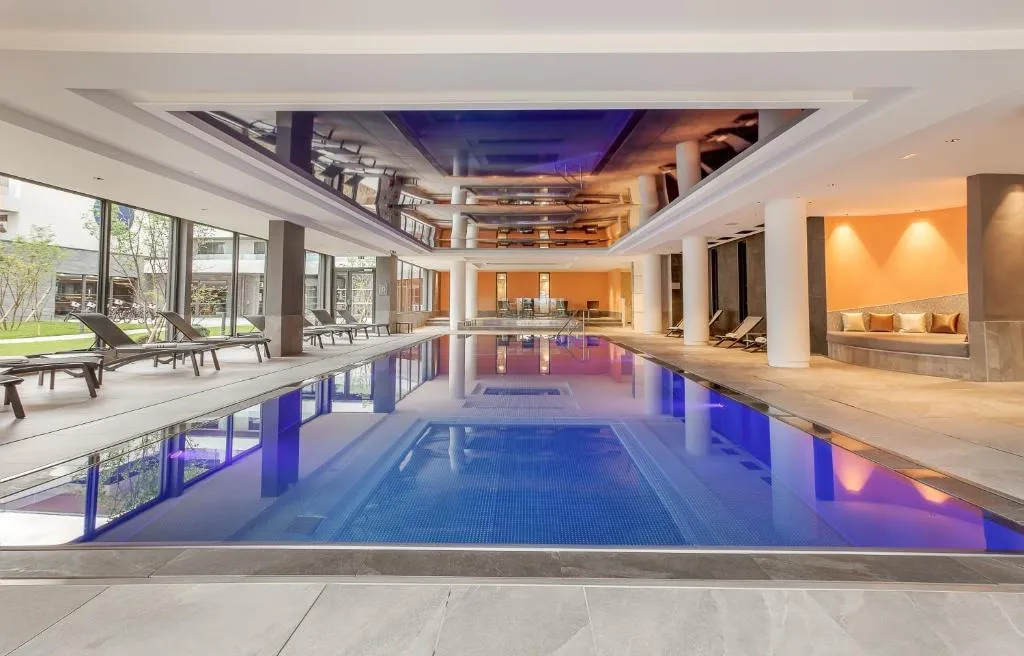 Found on Booking.comFrom €200/night
Annecy, France
Rivage Hôtel & Spa
Rivage sits right along Lake Annecy's edge, close enough that the September morning swim the season deserves is a five-minute walk, not a production. Rooms are bright and contemporary, several with lake views worth the small upgrade, and the spa is a genuine reason to linger an extra afternoon once the hiking crowds have thinned. It's an easy walk into Annecy's old town for dinner. Book the lake-facing rooms if you can; the courtyard ones are perfectly fine but you'll want the water.
- Guest rating
- 8.9 / 10
- From
- €200/night
- Best for
- Lakeside comfort, September calm
If skiing is the whole point, we'd flip to late January or March and choose between the Trois Vallées around Courchevel or the Espace Killy at Val d'Isere, depending on whether you want polish or pure high-altitude snow.
Whichever season suits you, the base you pick matters as much as the month, start with where to stay in the French Alps, and if you're weighing France against its neighbor, French Alps vs Swiss Alps. Ready to match the right town to the right time? Find your perfect Alps base, or browse everything across France to start narrowing it down.
Comparing seasons elsewhere? See our guide to the best time to visit the Alps and the Swiss Alps.


