
The Grand Alpine Tour: 14 Days, Five Countries
The whole Alps in one sweep. Five countries, the four great massifs, and the scenic roads and railways that stitch them together. From Lucerne's lake to the Matterhorn, Mont Blanc, the Dolomites, and the Bavarian lakes, this is the once-in-a-lifetime version, paced with two nights almost everywhere so it never turns into a race.

Length
14 days
Style
Grand tour
Getting around
Mixed
Pace
Balanced
Best season
Late June to September
Budget
$$$$$
The route at a glance
View route on Google MapsDriving this one? Our guide to renting a car in the Alps covers pickup strategy, vignettes, winter rules, and border fees.
Best for
Travelers doing the Alps once and wanting all of it: the icons, the scenic rail, and the great pass roads, with a couple of long transfer days traded for the full reach.
Driving this route?
The Great Dolomite Road, narrated stop by stop
A GPS-aware guide that rides shotgun and tells the story of every pass. Free in beta.
Your bases
2 days based here
2 days based here
2 days based here
2 days based here
3 days based here
1 day based here
2 days based here
Day by day
- Day1
Land soft in Lucerne
LucerneFly into Zurich and let Switzerland's superb trains carry you to Lucerne in under an hour, no car needed for these opening days. Walk the wooden Chapel Bridge with its painted gables and the medieval old town, then let the lake and the backdrop of Pilatus and Rigi settle the jet lag. Resist the urge to do too much: a trip this big is best begun at a gentle pace. Pick up a Swiss rail pass if you have not already, it pays off fast over a journey of this length.
- Day2
Lake and a first summit
LucerneMake the classic Mount Rigi round trip, your gentle on-ramp to the high country: a historic paddle steamer across Lake Lucerne, then Europe's oldest mountain cogwheel railway up to the Rigi summit for a panorama over the lake and a ring of peaks. Come down a different way to close the loop, by cable car and a second boat leg. It is all walkable, scenic, and entirely doable on rail and lake transport, so leave the car for later in the trip. Go on a clear day if you can choose: the summit view is the whole point.
- Day3
Into the Bernese Oberland
LauterbrunnenTake the scenic rail south through Interlaken, between its two lakes, and up into the Lauterbrunnen valley, a deep glacial trench walled by cliffs and threaded with some seventy waterfalls, the Staubbach among the tallest in Europe. Settle into the village that is your base for the Jungfrau region and let the sheer scale of the place sink in. Travel light here: trains and cable cars do everything, and a car is more hindrance than help in these car-restricted valleys. Watch the forecast tonight and earmark the clearest day ahead for going high.
- Day4
Wengen, Mürren, and the wall of peaks
LauterbrunnenRide the cable cars and mountain trains up to the car-free balcony villages of Wengen and Mürren, perched on opposite shoulders of the valley with the Eiger, Mönch, and Jungfrau standing face to face across from you. The walk along the Mürren side, or up to the Birg and Schilthorn viewpoint above it, gives you the whole wall of peaks at eye level. If the forecast hands you a flawless clear morning, this is the day to spend it on the Jungfraujoch, the Top of Europe, instead, so stay flexible and let the sky decide. Either way, go up early before the cloud and haze build over the ridge.
- Day5
Transfer to the Matterhorn
ZermattOne of the trip's best rides, and a pure rail day: down out of the Bernese Oberland and across to Zermatt, the car-free village at the foot of the Matterhorn. You leave any car in Täsch, the last town with road access, and ride the shuttle train the final stretch up, so plan that handoff if you have picked up a vehicle. Arrive with the afternoon free to wander the lanes and find a terrace for an evening apéro and your first look at the most famous mountain in the Alps. Watch it catch the last light: the Matterhorn at sunset earns its fame.
- Day6
Gornergrat morning
ZermattCatch one of the first cogwheel trains up to Gornergrat, the high ridge that delivers a front-row panorama of the Matterhorn and a sweep of glaciers and four-thousand-meter peaks, at its clearest and least crowded early. From there, walk down the celebrated 5-Lakes trail, where on a still morning several of the tarns hold a perfect mirror image of the Matterhorn, Stellisee being the famous one. It is a downhill, well-marked hike that most people end up remembering as the day of the trip. Start at sunrise for the calm water and the best light, and carry layers, it is cool up high even in summer.
- Day7
Cross into France
ChamonixCross into France today, your second country, transferring west to Chamonix beneath the white dome of Mont Blanc, the highest peak in the Alps. The mood shifts here: Chamonix is bigger, steeper, and more serious mountaineering town than polished resort, with the glaciers hanging right above the streets. This is a travel day either way, whether you drive or piece it together by train plus a road transfer, so do not overplan the afternoon. Settle in, scope the lift stations for tomorrow, and keep watching that forecast for your clear-morning window up high.
- Day8
Aiguille du Midi and the Mer de Glace
ChamonixOn the clearest morning, ride the Aiguille du Midi cable car to a terrace at 3,842m, about the closest you can stand to Mont Blanc without a rope, with a glass Step into the Void box for the brave and a panorama that silences people. Reserve a timed slot ahead and book an early cabin for the clearest air before cloud builds, and bring a real jacket, it can be below freezing up top even in July. In the afternoon, take the little red Montenvers rack railway to the Mer de Glace, France's largest glacier, and its ice cave carved fresh each year. The high terrace in the clear morning and the glacier as the light softens make a perfect pairing.
- Day9
The long transfer east, to the Dolomites
OrtiseiThe trip's one big travel day, and we will not pretend otherwise: a long haul that crosses into Italy, your third country, and tracks east across the north of the country from the western Alps to the eastern. Break it up, lean into the changing scenery from glaciated peaks to Italian lakes and valleys, and treat lunch as a proper stop rather than a service-station grab. Start early to get the miles behind you with daylight to spare. You arrive in Ortisei, in the Val Gardena, gateway to the Dolomites and, to many eyes, the most beautiful mountains of the lot.
- Day10
Seceda and the Alpe di Siusi
OrtiseiRide the cable cars from Ortisei up to the Seceda ridgeline, where the tilted grass slopes drop away to the jagged Odle spires in what is the most photographed skyline in the Dolomites. Then make for the Alpe di Siusi, the largest high-alpine meadow in Europe, a vast rolling plateau with the Sassolungo and Sciliar towers rising straight out of it. Note that the road up to the Alpe di Siusi is closed to daytime car traffic in season, so use the cable car from Ortisei, which is the easier way anyway. Go up in the morning for the cleanest light on the pale limestone, which turns rose and gold at the edges of the day.
- Day11
The Great Dolomite Road to Cortina
OrtiseiA driving day on one of Europe's legendary roads, the Great Dolomite Road, looping over the Sella and Pordoi passes in a ladder of hairpins, past the glaciered Marmolada, the range's highest peak, and down to glamorous Cortina d'Ampezzo before circling back. This is the leg a car truly earns its keep, so take your time, pull over often, and let passengers soak up the towers from every angle. Start early to drive the passes before the day-trip traffic thickens on the switchbacks. Build in a long lunch on a sunny terrace, this is a day to savor, not to rush.
- Day12
Over the Brenner into Tirol
InnsbruckDrive north over the Brenner Pass, the historic low gateway across the main Alpine chain, into Austria, your fourth country, and down to Innsbruck, a real city wedged dramatically under the peaks. One night is plenty to walk the old town to the Golden Roof and the imperial sights, then ride the Nordkette funicular and cable cars straight from the center up to a ridgeline that towers right over the rooftops. Time the Nordkette for late afternoon, when the light on the Inn valley below is at its best. It is a satisfying change of register: an elegant city evening between two stretches of pure mountain.
- Day13
Into Bavaria and the Königssee
BerchtesgadenCross into Germany, your fifth and final country, dropping down to Berchtesgaden in the deep south of Bavaria, a pocket of mountains almost ringed by Austria. The set piece is the Königssee: one of the silent electric boats that have run for over a century glides you down this emerald, fjord-like lake walled by cliffs, pausing so the captain can sound a trumpet against the rock for the echo. You land at the onion-domed chapel of St. Bartholomä, set on a meadow beneath the sheer face of the Watzmann. Aim for a later boat so the light goes soft on the water, and check the last return time before you set out.
- Day14
Eagle's Nest, then Salzburg or Hallstatt
BerchtesgadenSpend the morning at the Eagle's Nest, the stone lodge on its rocky perch reached by a special bus up a dramatic mountain road, now a sobering historical site with a vast view over the Berchtesgaden country and into Austria. Confirm the Eagle's Nest road is open, it is seasonal and weather-dependent, before you bank on it. Then choose your finale just over the border in Austria: Salzburg's baroque old town and Mozart streets, or Hallstatt's impossibly pretty lake-and-spire postcard, each within about an hour. Fly home from Salzburg or Munich, a fitting close to a journey that ran the whole length of the Alps.
Where you’d sleep on this route
One field-verified pick per base, matched to this route’s pace. Each town’s full lodging guide has picks at every budget.
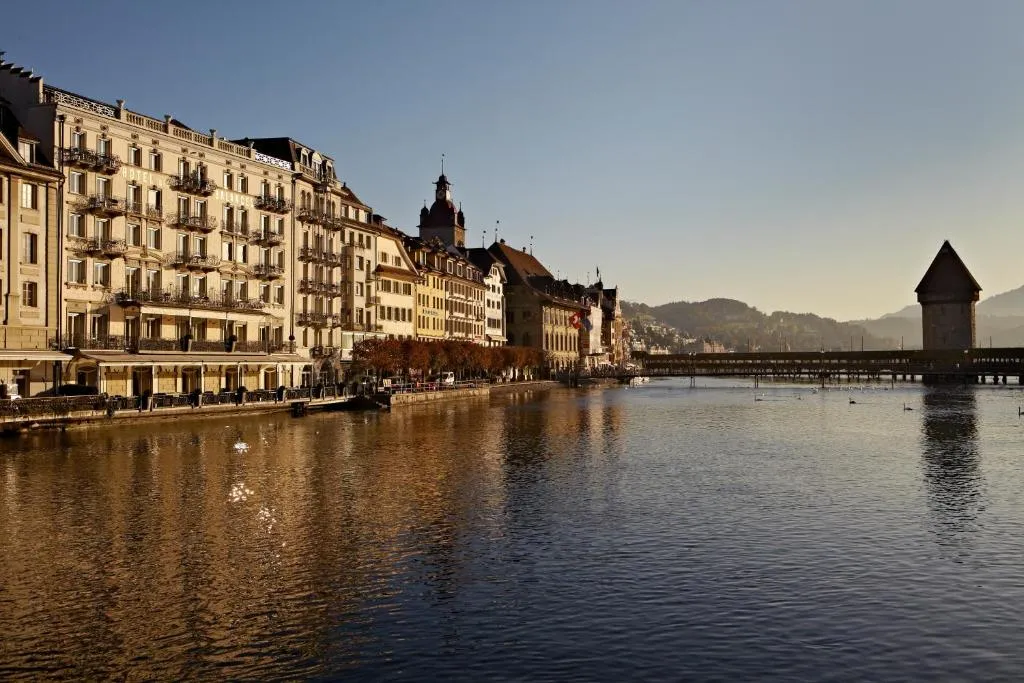
Days 1–2 · Lucerne
A former guild hall on the Reuss; river-view rooms take in the Chapel Bridge with polished four-star service.
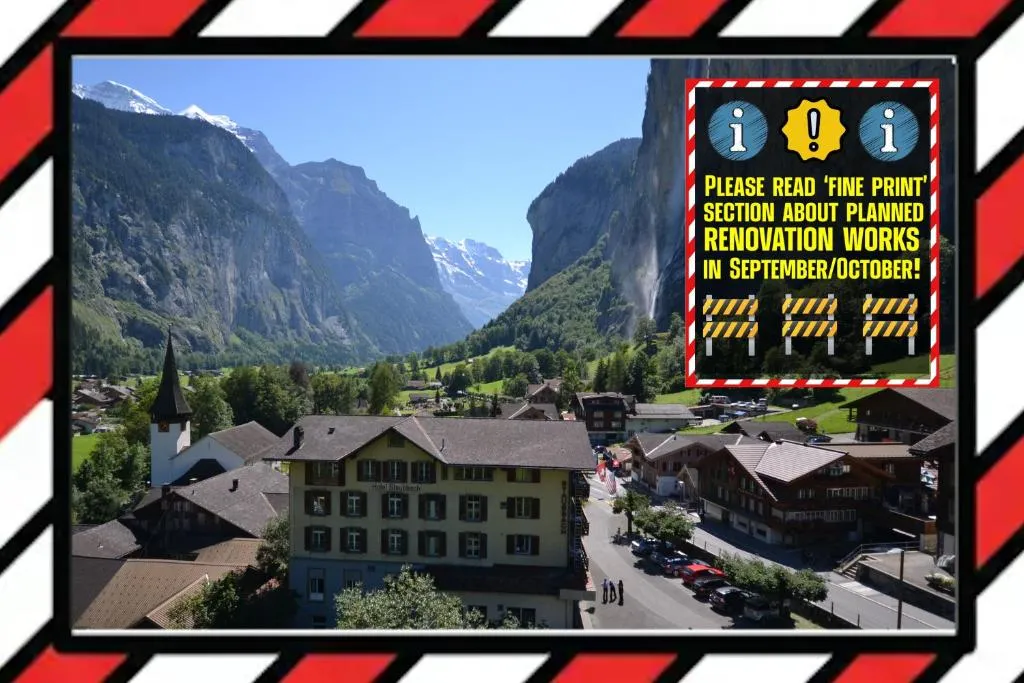
Days 3–4 · Lauterbrunnen
An 1890s hotel whose front balconies look straight at the falls; the best-value view in the region, about 600 m from the station, with free parking out front and breakfast only (no evening restaurant).
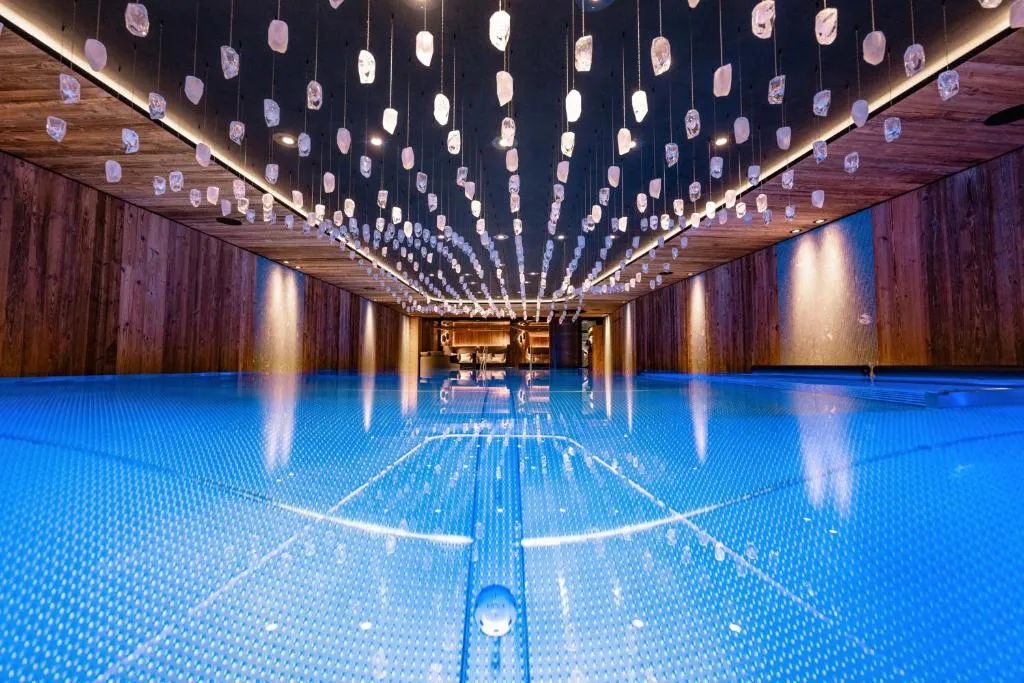
Days 5–6 · Zermatt
The Julen family's warm chalet classic with a three-floor spa and true Matterhorn-view rooms.
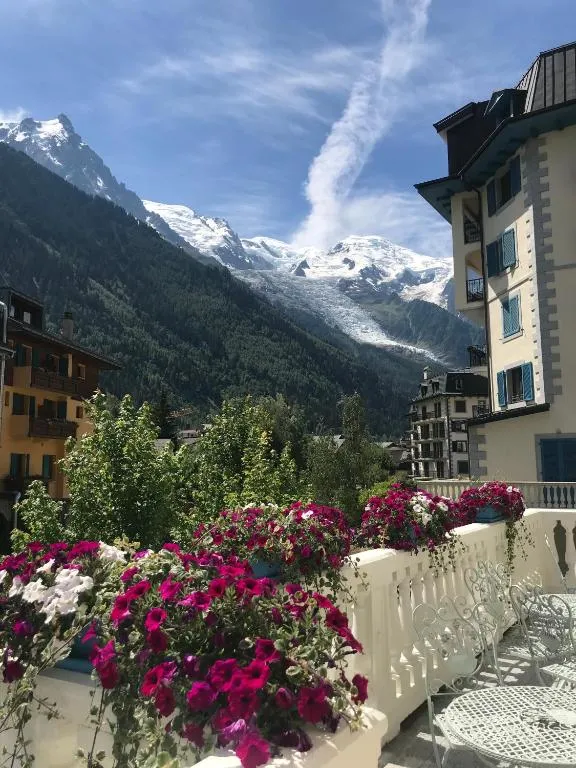
Days 7–8 · Chamonix
Chamonix's 1840s grande dame on the main street; ask for a room off the street if you sleep light.
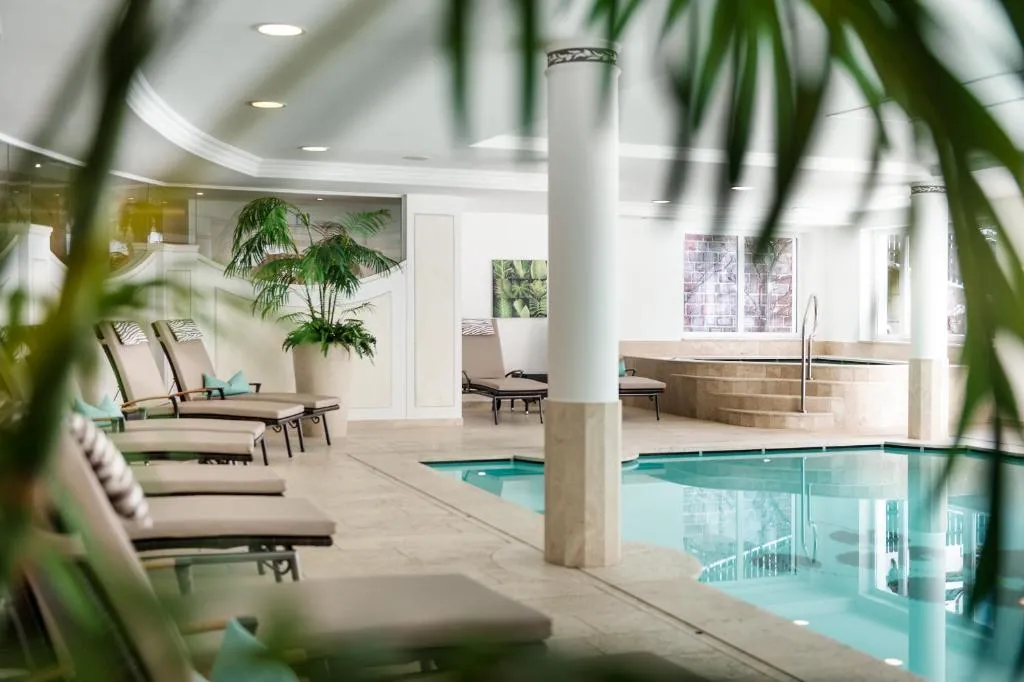
Days 9–11 · Ortisei
Family-run four-star on the sunny side of Ortisei, a six- to seven-minute walk down the Luis Trenker promenade to the car-free centre, where the four-course half board genuinely delights and balconies face the Dolomites; in winter a hotel shuttle runs to the Ortisei lifts daily from 8:30 to 18:00.
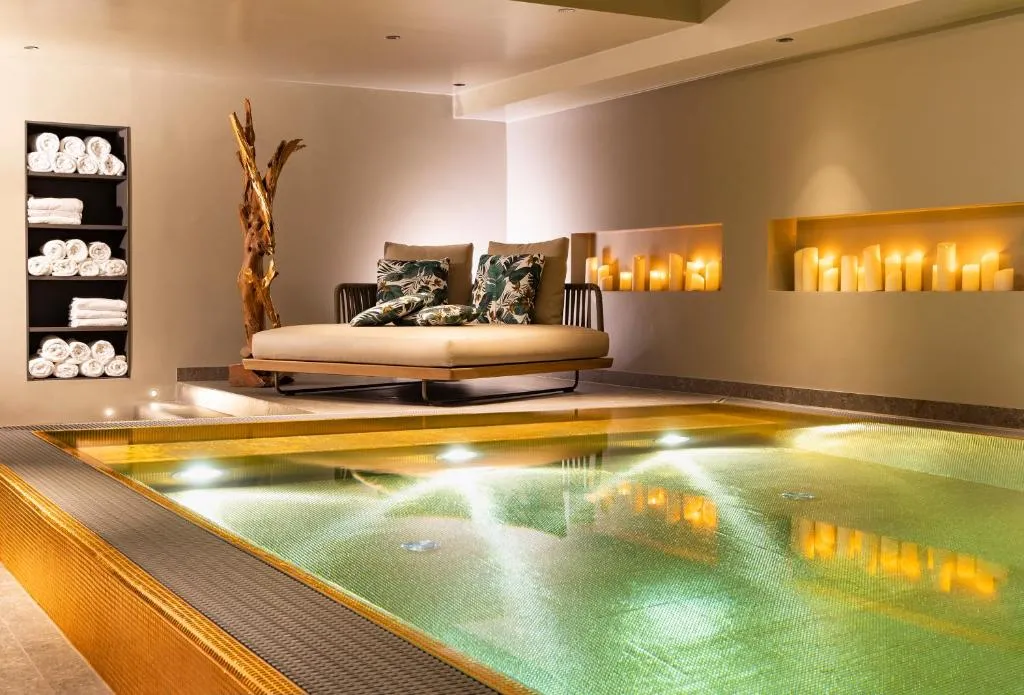
Day 12 · Innsbruck
Right where the Altstadt meets the river, with a rooftop spa and pool looking straight at the Nordkette.
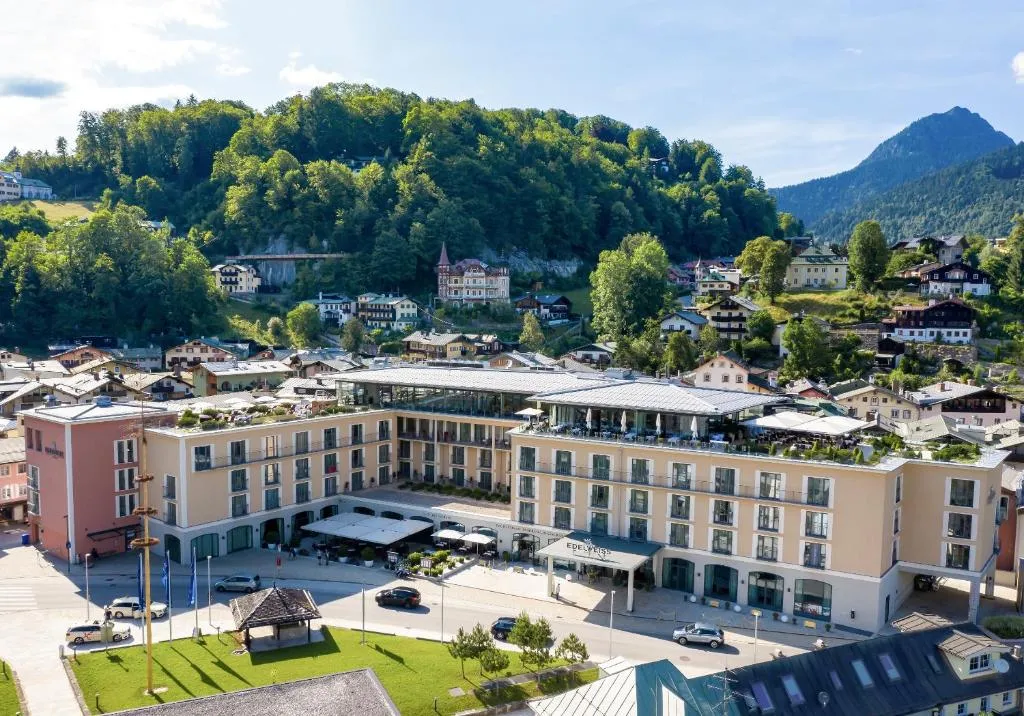
Days 13–14 · Berchtesgaden
Four-star superior with a rooftop pool right on the pedestrian center; trains, Königssee buses, and dinner all on foot.
Experiences along the route
One bookable highlight per base, the specific tickets we’d reserve, verified like everything else on this site.
Lucerne
Lucerne: Mt. Pilatus Cable Car, Cogwheel Train & Lake Cruise★ 4.7 · 2,794 reviews
The Golden Round Trip: boat, cogwheel railway and cable car in one loop, and the reason Lucerne earns a second night.
Lauterbrunnen
Mürren: Paragliding over Lauterbrunnen Cliffs and Waterfalls★ 5.0 · 369 reviews
Launch from Mürren's cliffs and glide down past the waterfalls to the valley floor.
Zermatt
Zermatt: Matterhorn Glacier Paradise Cable Car Ticket★ 4.8 · 1,295 reviews
The highest cable-car station in Europe; buy the ticket before you go up.
Chamonix
Chamonix: Tandem paragliding flight facing Mont-Blanc★ 5.0 · 34 reviews
A tandem flight with the Mont Blanc massif filling the horizon.
Ortisei
Explore Alpe di Siusi: Guided E-Bike Group Adventure
Europe's great meadow by e-bike, guided from Ortisei.
Innsbruck
Innsbruck: City Card Including Public Transport★ 4.7 · 525 reviews
Covers the sights and transit in one card, the efficient way to do Innsbruck.
Berchtesgaden
WWII Historical Eagle's Nest Tour in Berchtesgaden Germany★ 4.6 · 130 reviews
The area's essential history tour, done with real context rather than just the bus ride up.
Some links on this page are affiliate links. If you book through them we may earn a small commission, at no extra cost to you. It helps keep our guides free. We only recommend what we’d book ourselves.
Frequently asked questions
- Is 14 days enough to see the whole Alps?
- It is enough for a genuine cross-section, not every corner. This route deliberately strings together the icons of five countries, the Matterhorn, Mont Blanc, the Dolomites, and the Bavarian lakes, with two nights in most bases so it never feels frantic. It is the grand-tour sampler, not an exhaustive survey.
- Do you need a car for the Grand Alpine Tour?
- It is a mixed trip. We would ride the rails through Switzerland and Austria, where the trains are superb and Zermatt is car-free anyway, and use a car for the Dolomite passes, where the driving is the experience. The day-by-day spells out the call for each leg.
- What is the one long travel day?
- The transfer from Chamonix to the Dolomites on day nine. It is a genuinely long haul across northern Italy, from the western Alps to the eastern, and we do not pretend otherwise. Everywhere else the legs are short; this is the single day to brace for, and to enjoy the changing scenery.
- Where do you start and finish the trip?
- Fly into Zurich to begin in Lucerne, and out of Salzburg or Munich at the end, both an easy hop from the final base in Berchtesgaden. The route runs west to east so you never double back, apart from that one long central transfer.
- When is the best time to do the Grand Alpine Tour?
- Late June to mid-September, the only window when the high railways, pass roads, lifts, and lake boats across all five countries are reliably open at once. With this much ground to cover, you want the most settled weather and the fewest seasonal closures. Early September is the sweet spot: open infrastructure, golden light, and slightly thinner crowds.
- Can you shorten the Grand Alpine Tour?
- Yes, and the cleanest way is to drop a country rather than rush the whole route. Cutting the Dolomite or Bavaria leg trims it to ten or eleven days while keeping two nights per base, which is what keeps the trip from feeling frantic. If you only have a week, our single-country itineraries are the better starting point than a compressed grand tour.

Researched & written by
Jon Miksis
Jon Miksis is the founder of Alps by Design and an award-winning travel writer whose work has been featured in Forbes, HuffPost, Yahoo Travel, and The Boston Globe. He travels to all six Alpine countries at least twice a year and has been trusted by national tourism boards across Europe.
More about Alps by Design →More trips you might like
Other itineraries through the same countries, longer, shorter, or a different angle.
 7 days · Scenic rail
7 Days in the Swiss Alps by Train
The ideal first-timer's loop through the Swiss Alps without ever touching a steering wheel. Two mountain bases, one lakeside city, and the country's most beautiful train rides stitched between them.
 5 days · Road trip
5-Day Dolomites Road Trip
A tight, scenic loop through the heart of the Dolomites, two well-chosen bases, the range's most famous hikes, and South Tyrol's outrageous mountain food.
7 days · Road trip7 Days in the Dolomites: Wine, Meadows & the Great Passes
The unhurried version of the Dolomites: a soft landing in South Tyrol's wine capital, the meadows and ridgelines of Val Gardena, the gourmet huts of Alta Badia, and a grand finish under Cortina's most famous peaks, with the great pass roads strung between them.
Read before you go
 First-Time Planning
Swiss Alps by Train or Car: Which Is Better?
Switzerland has the world's best rail network and famously car-free villages, so do you even need a car? An honest guide to train versus car for the Swiss Alps.
10 min read
Seasonal PlanningThe Best Time to Visit the Swiss Alps
A month-by-month guide to the Swiss Alps: the September sweet spot, high summer in the Jungfrau and Zermatt, world-class ski winters, and where the lakes still work in the shoulder.
7 min read
First-Time PlanningThe Best Day Trips from Zurich
The best day trips from Zurich by train, from Lucerne and the Rhine Falls to unique summits like Stoos, with travel times and how to book each one.
13 min read
Want this trip designed around you?
Answer a few questions and an Alps specialist builds your personalized version of this trip: your pace, your budget, your kind of days, hand-reviewed before it reaches you.
Or get the free 7-day starter route: