

Austria gives you a genuinely hard choice that Switzerland doesn't: you can have real cities, baroque culture, swimmable lakes, glaciers, and spa towns, sometimes within the same valley. That abundance is exactly why people overplan it. They try to "see Austria" and end up seeing the inside of a lot of trains.
So let's make the actual decision. Where you sleep sets the texture of the whole trip. Here's who each base is really for.
The Austrian Alps bases at a glance
- Best all-rounder
- Innsbruck
- For families
- Zell am See
- For couples
- Bad Gastein
- Car needed
- No
| Base | Vibe | Best for | Get there by |
|---|---|---|---|
| Innsbruck | City touching high mountains | First-timers, culture + peaks | Train |
| Salzburg | Baroque culture, lakes gateway | Culture, day trips | Train |
| Hallstatt | Postcard lake village | Couples, photographers (stay a night) | Train + boat |
| Zell am See | Lake + glacier all-rounder | Families | Train |
| Kitzbühel | Glamorous resort | See-and-be-seen | Train |
| Seefeld | Sunny gentle plateau | Families, relaxed walkers | Train |
| Mayrhofen | Zillertal adventure hub | Hikers, adrenaline | Train |
| Bad Gastein | Belle-époque spa gorge | Couples, wellness | Train |
Now the detail on each.
Innsbruck, the city that touches the high mountains
Innsbruck is our default first answer, because it's the rare base that refuses to compromise. It's a proper city, trams, a baroque old town, late-night food, the Golden Roof, and yet the Nordkette range rises straight out of it. From the city center you can be at 2,000+ meters in about 20 minutes via the funicular and cable car, a ride we weigh in is the Top of Innsbruck worth it. Culture in the morning, alpine ridgeline by lunch.
Best for: first-timers, culture-and-mountains couples, anyone who wants a city basecamp without giving up real alpine terrain. Skip it if: you came for a quiet lakeside or a single hut-to-hut hiking valley. Innsbruck is a hub, not a hideaway. Deciding between this and the baroque alternative? See Innsbruck vs Salzburg.
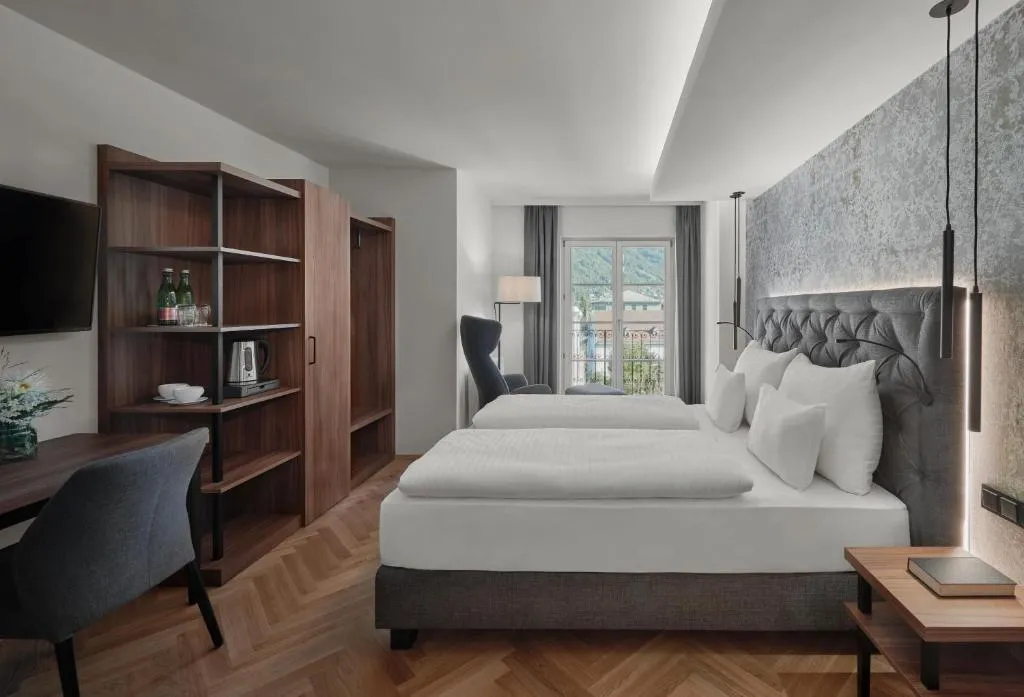 Found on Booking.comFrom €160/night
Innsbruck, Austria
Hotel Schwarzer Adler
Innsbruck's pitch is a real city that touches real mountains, and Hotel Schwarzer Adler sits at the heart of that promise, tucked into the baroque old town a few minutes from the Golden Roof and the river. Expect dark wood, thick walls, and a genuinely historic feel rather than a chain-hotel polish, plus a kitchen that takes Tyrolean cooking seriously. It's an easy walk to the funicular that starts the climb to the Nordkette. Rooms facing the street can catch some old-town noise, so ask for a quieter one if you're a light sleeper.
- Guest rating
- 8.8 / 10
- From
- €160/night
- Best for
- old-town charm, first-time base
Some links on this page are affiliate links. If you book through them we may earn a small commission, at no extra cost to you. It helps keep our guides free. We only recommend what we’d book ourselves.
Our verified Innsbruck picks
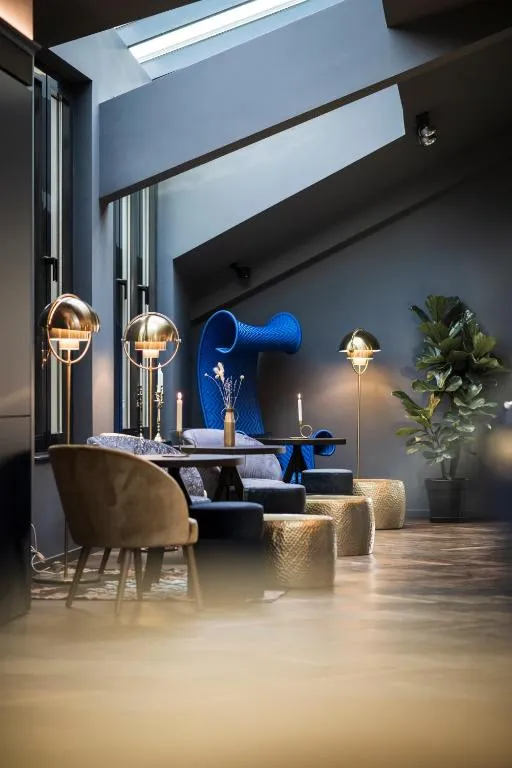 Budget Altstadthotel Weisses Kreuz An inn since 1465 where Mozart really did sleep, steps from the Golden Roof. Check rates →
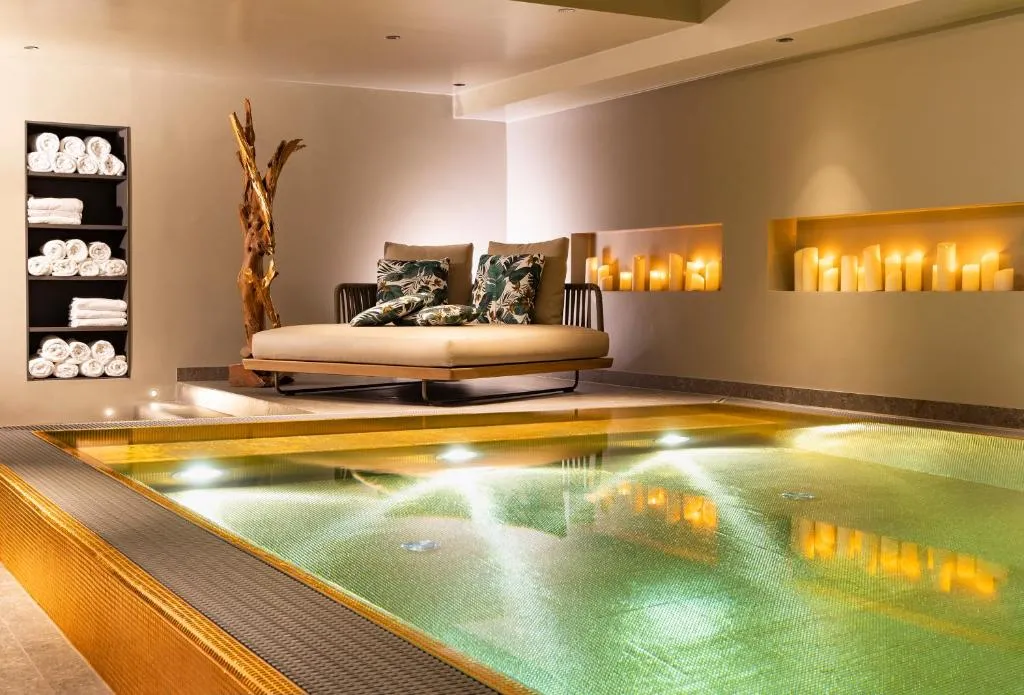 Mid-range Hotel Innsbruck Right where the Altstadt meets the river, with a rooftop spa and pool looking straight at the Nordkette. Check rates →
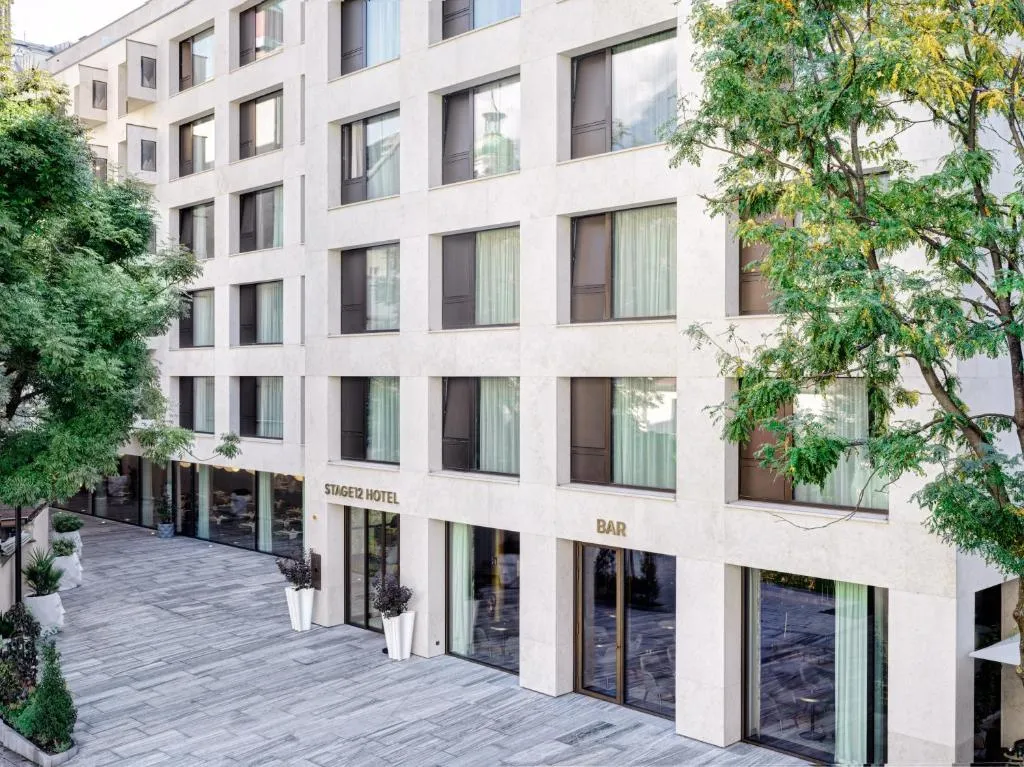 Mid-range STAGE 12 Hotel by Penz Quiet-luxe rooms on Maria-Theresien-Strasse with the Nordkette framed at the end of the street. Check rates →
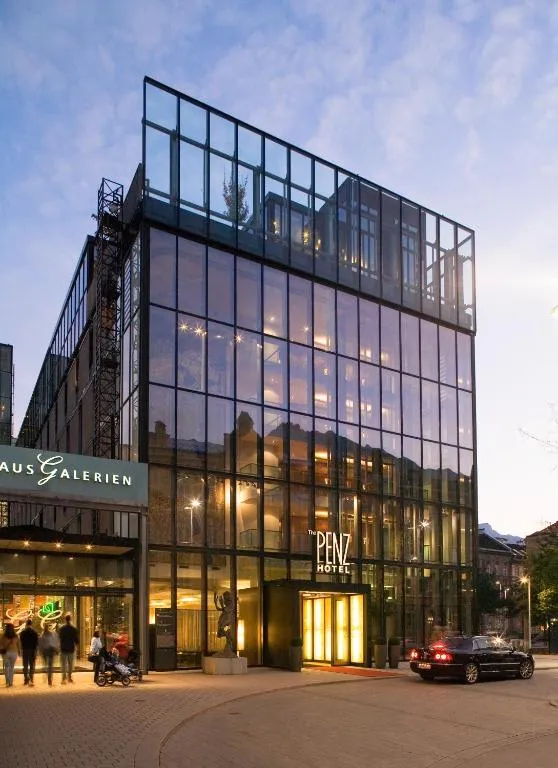 Luxury The PENZ Hotel Innsbruck's original design hotel; rooftop breakfast above the old town is a ritual worth planning around. Check rates →
Salzburg, baroque culture and the gateway to the lakes
Salzburg is the cultural heavyweight: Mozart, Hohensalzburg fortress, and one of the most beautiful old towns in the Alps. It isn't a mountain town itself, but it's the natural gateway to the Salzkammergut lake district, Hallstatt, Wolfgangsee, and the rest are short hops away. (In December its Christmas markets are among the best in the Alps, see our roundup.)
Best for: travelers who want city culture and concerts with day trips into lake-and-mountain scenery. Skip it if: your priority is being in the mountains every morning. You'll be commuting to them from here. Choosing a gateway city? See Munich vs Salzburg. Wondering whether to sleep by the lake instead? Salzburg vs Hallstatt weighs the city base against the village.
Our verified Salzburg picks
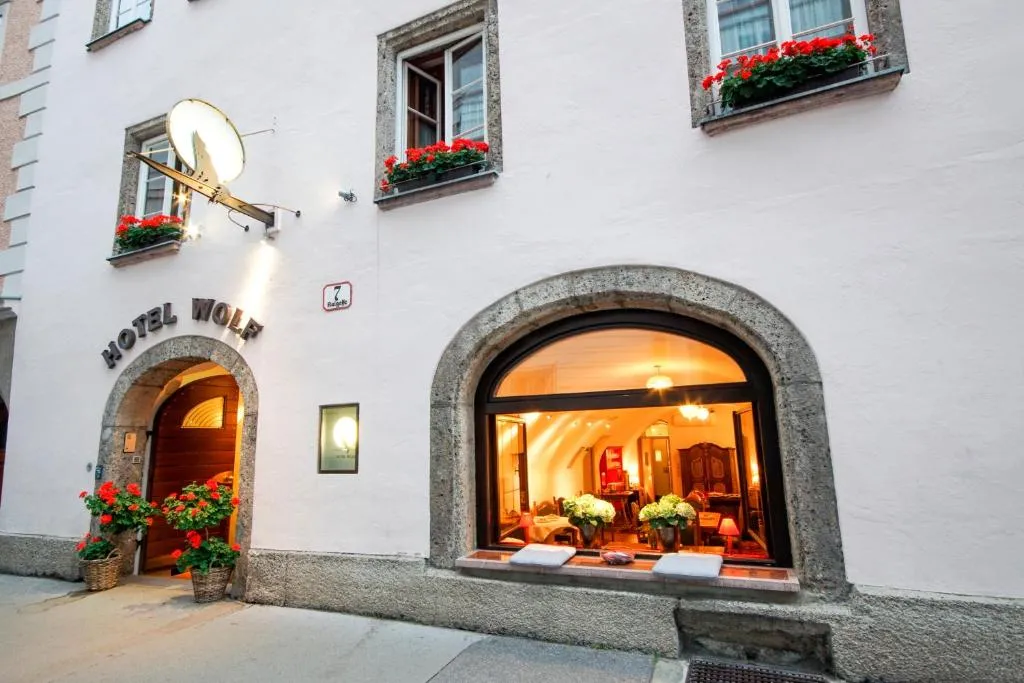 Budget Hotel Wolf A family-run house from 1429 in the quietest corner of the old town, steps from Mozartplatz. Check rates →
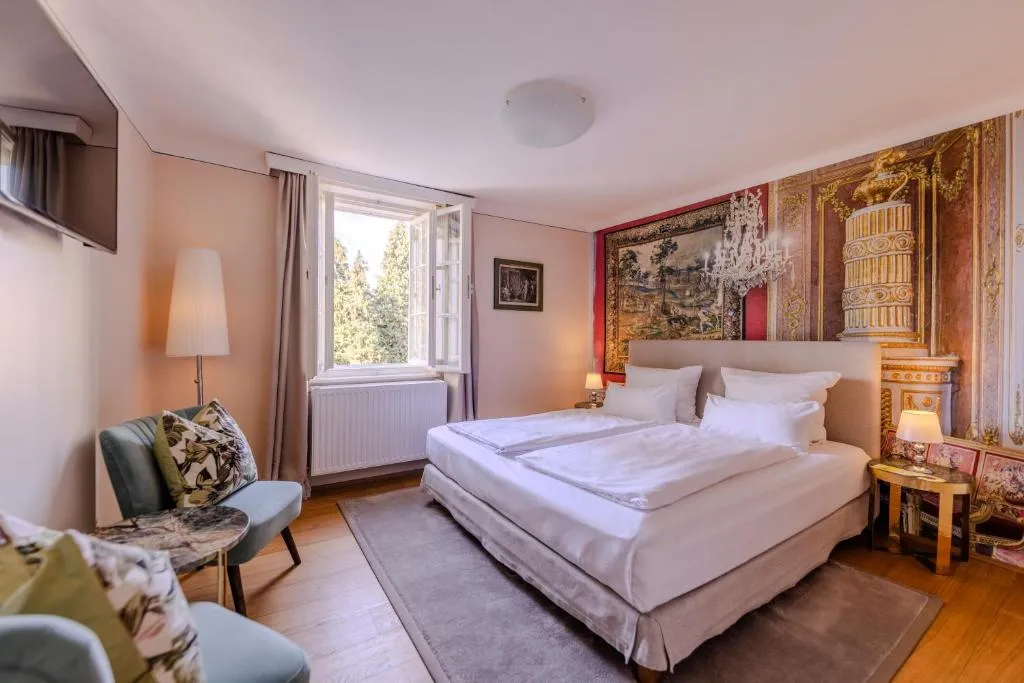 Budget Boutiquehotel Amadeus A snug 500-year-old townhouse on Linzer Gasse, five minutes from the Altstadt across the bridge. Check rates →
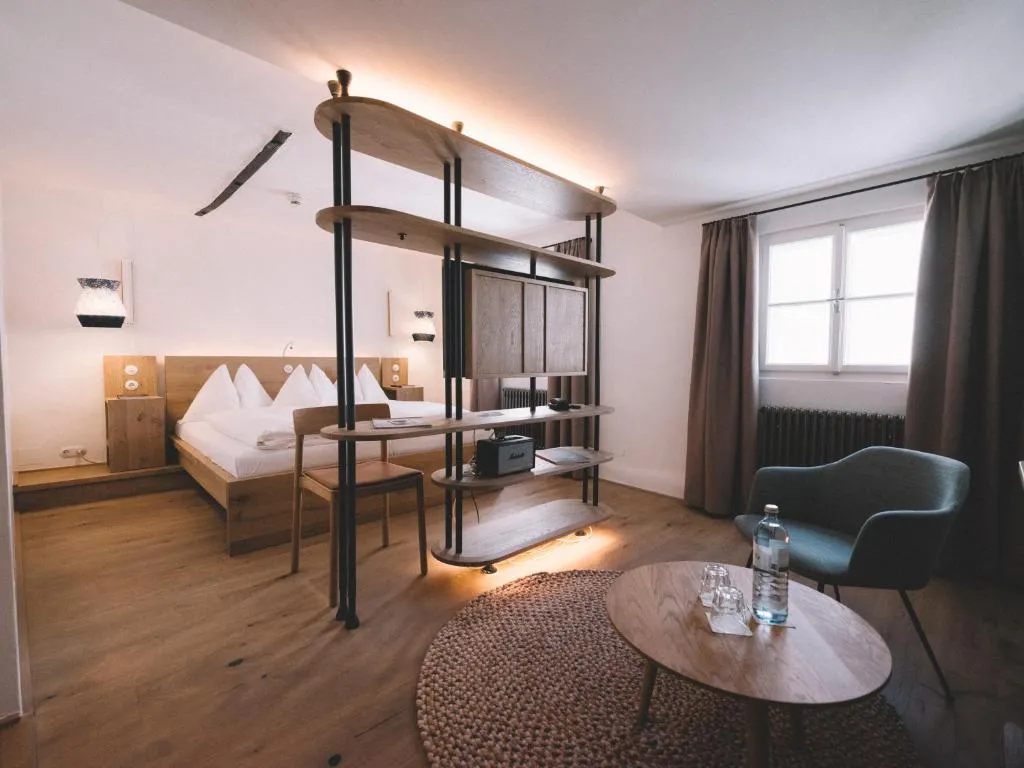 Mid-range artHotel Blaue Gans Salzburg's oldest inn reborn as a serene art hotel on Getreidegasse, by the festival halls. Check rates →
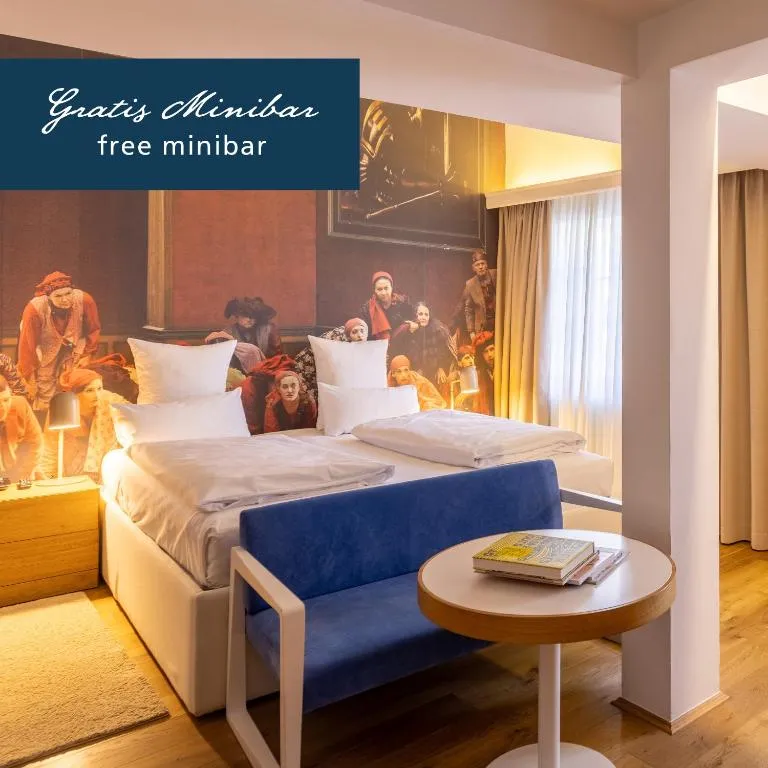 Mid-range Hotel Goldgasse Sixteen individually styled rooms above a beloved Gasthof in a cobbled medieval lane. Check rates →
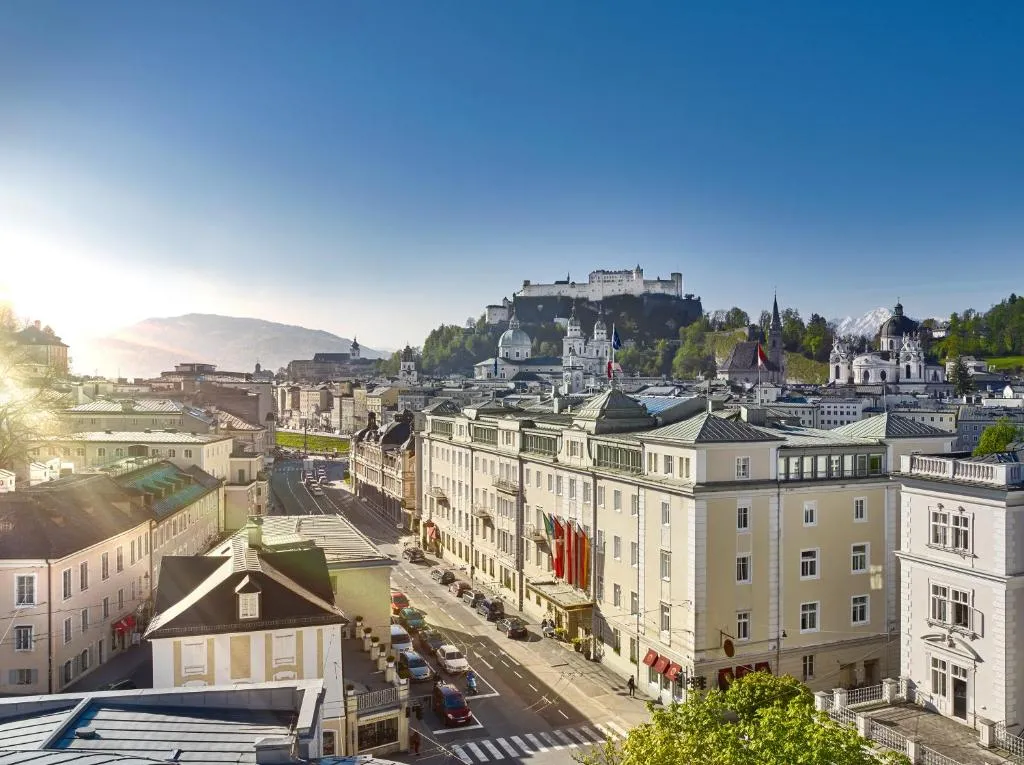 Luxury Hotel Sacher Salzburg The 1866 grande dame of the Salzach, river-view rooms framing the fortress and the original Sacher-Torte downstairs. Check rates →
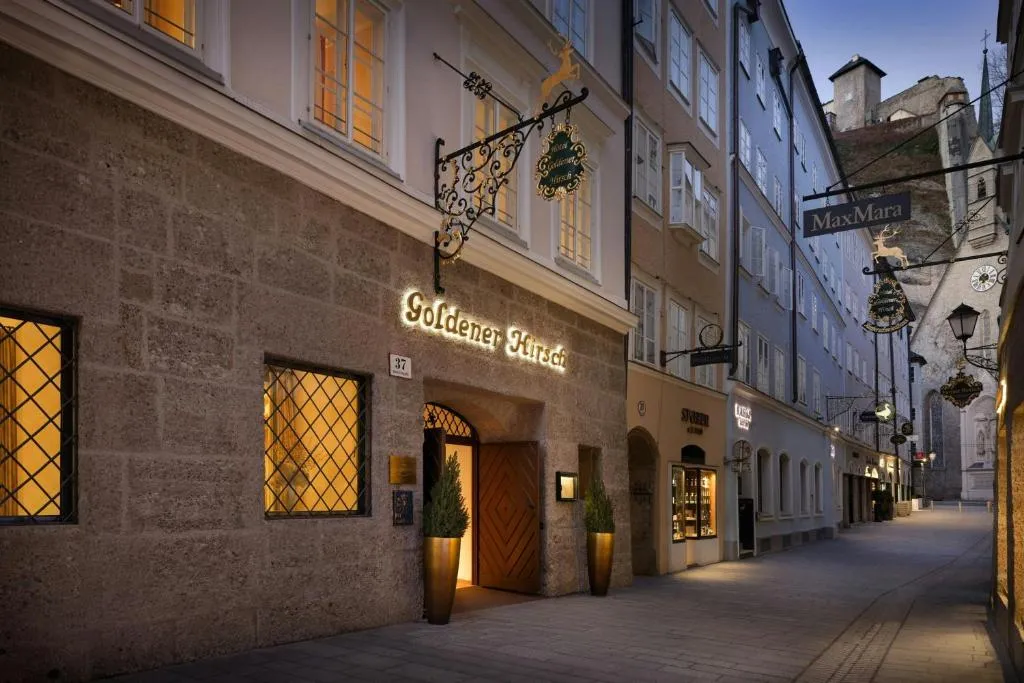 Luxury Hotel Goldener Hirsch An inn since 1407 and the festival crowd's clubhouse, freshly restored with its antique salons intact. Check rates →
Hallstatt, the postcard, if you stay overnight
Hallstatt is the impossibly pretty lakeside village you've seen a thousand times. The catch is that everyone has seen it, and by mid-morning the day-trip buses arrive in force.
Best for: couples and photographers willing to trade convenience for one unforgettable, crowd-free morning. Skip it if: you need variety, nightlife, or a real range of restaurants. It's tiny. Weighing it against a livelier lake base? Read Hallstatt vs Zell am See, or Bled vs Hallstatt for the cross-border storybook-lake duel.
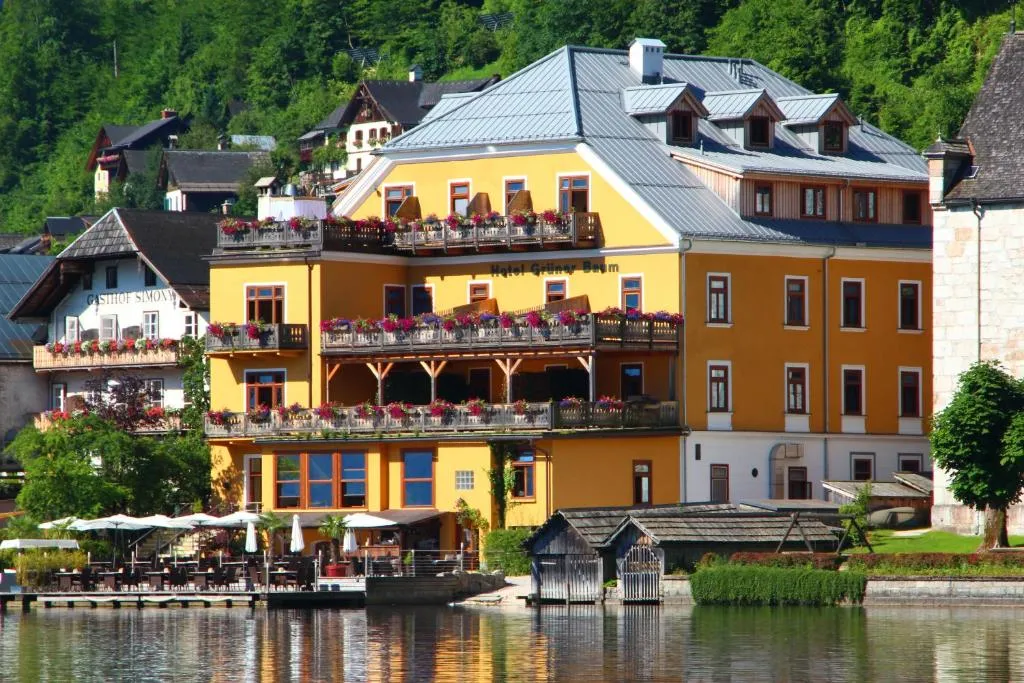 Found on Booking.comFrom $250/night
Hallstatt, Austria
Seehotel Grüner Baum
The whole case for sleeping in Hallstatt is catching the village after the day-trip buses pull out, and Seehotel Grüner Baum is built for exactly that moment. It sits right on the lakefront square, with a terrace over the water and rooms that look straight across to the mountains on the far shore. Book early, since the lake-view rooms are the whole point and go first, and expect small-village dining options rather than variety. Walk out at dawn and the water really does go mirror-still.
- Guest rating
- 8.6 / 10
- From
- $250/night
- Best for
- lakefront romance, dawn views
Our verified Hallstatt picks
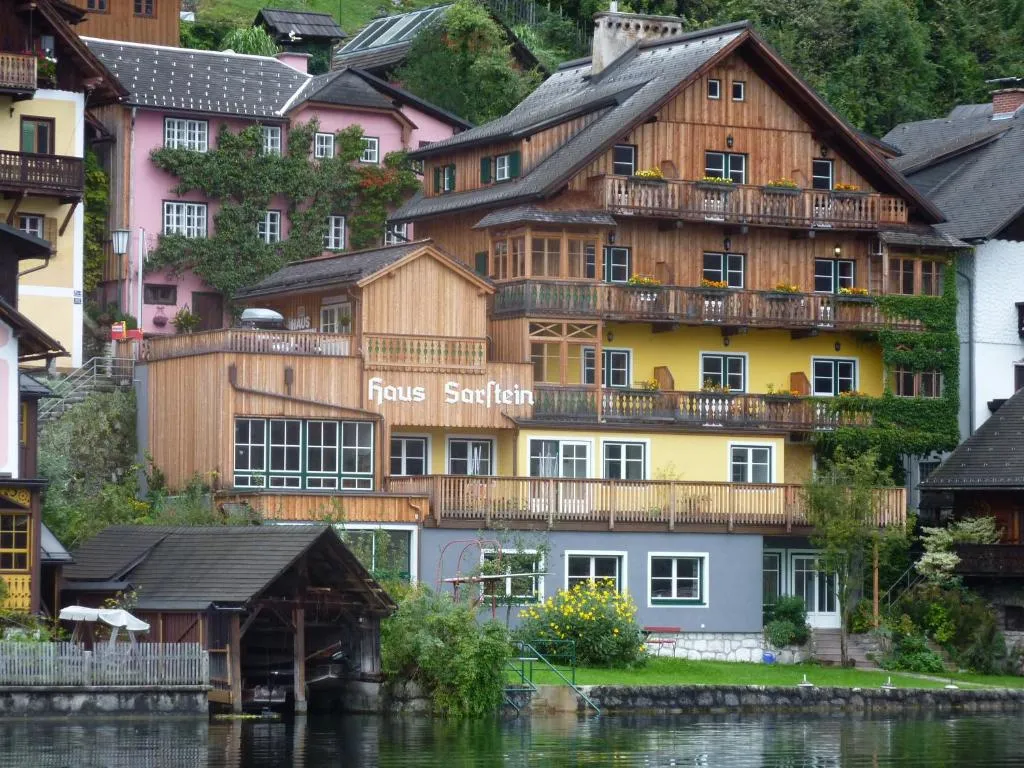 Budget Pension Sarstein Balconies hanging over the water at the quiet north edge of the village; the glassy dawn lake from bed. Check rates →
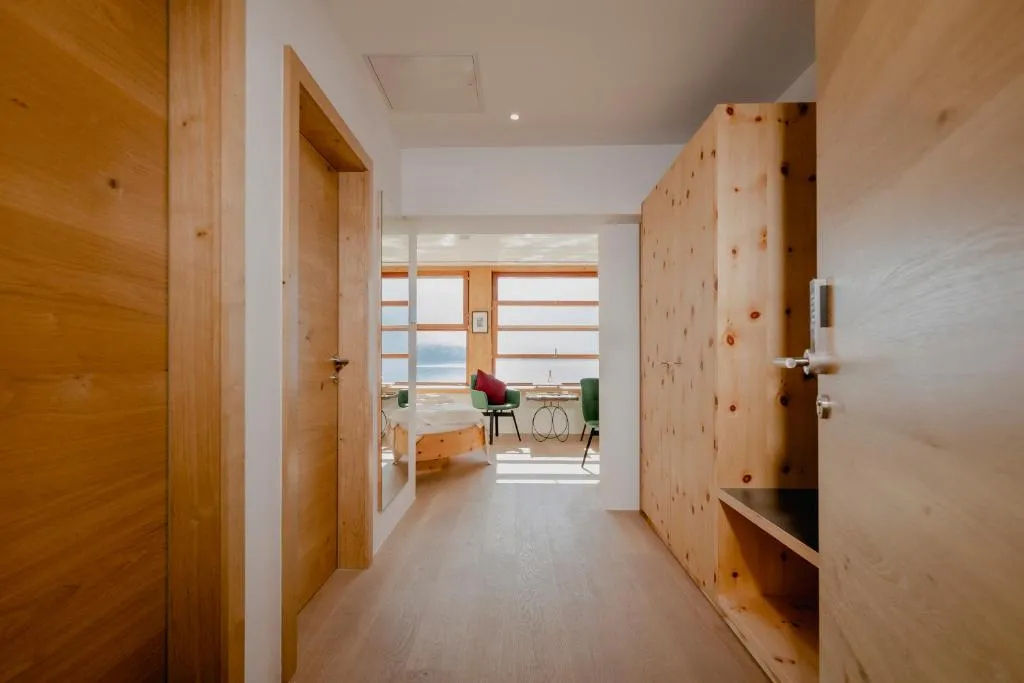 Budget Polreich Bed&Breakfast A polished bed and breakfast with mountain views, six minutes on foot from the museum quarter and a stroll from the lakefront. Check rates →
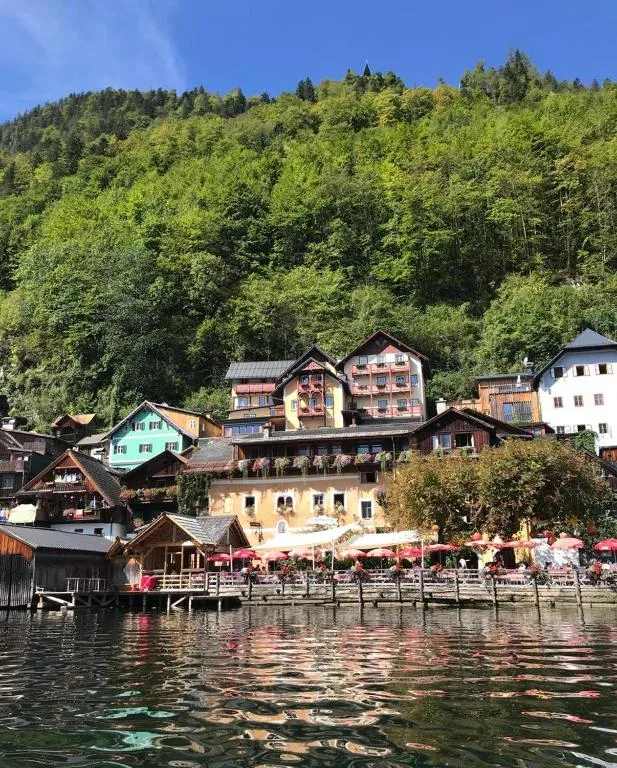 Mid-range Bräugasthof Hallstatt A 15th-century brewer's inn on the lakefront with its own waterside terrace, steps from Marktplatz. Check rates →
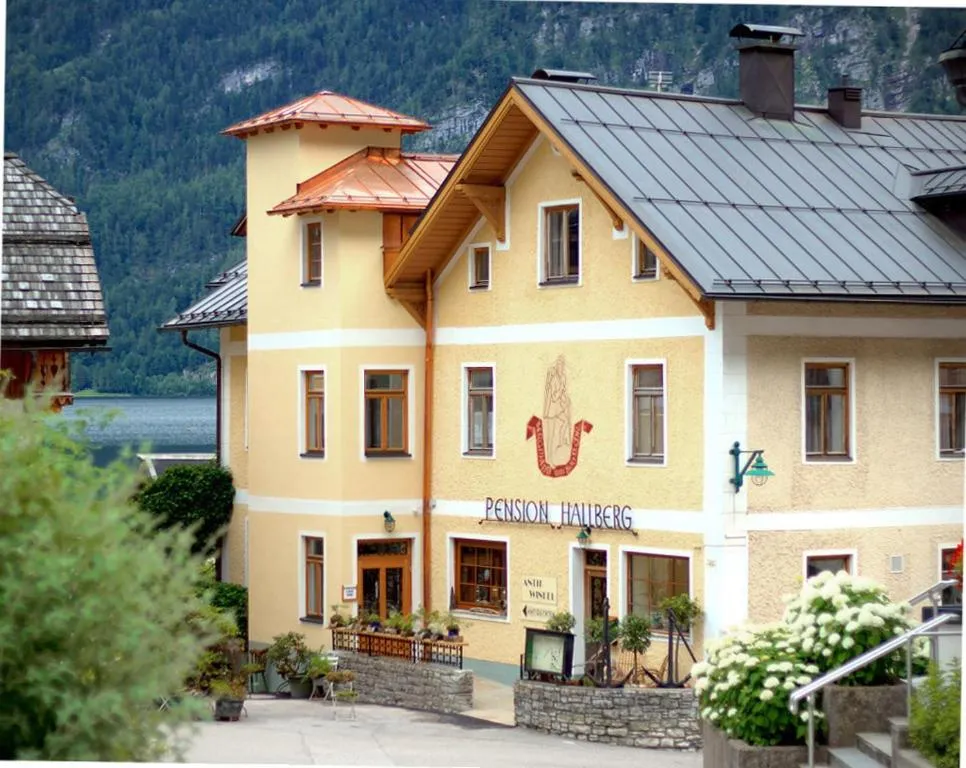 Mid-range Pension Hallberg Family-run guesthouse dead center in the old village with some lake-view rooms and the highest guest scores in town. Check rates →
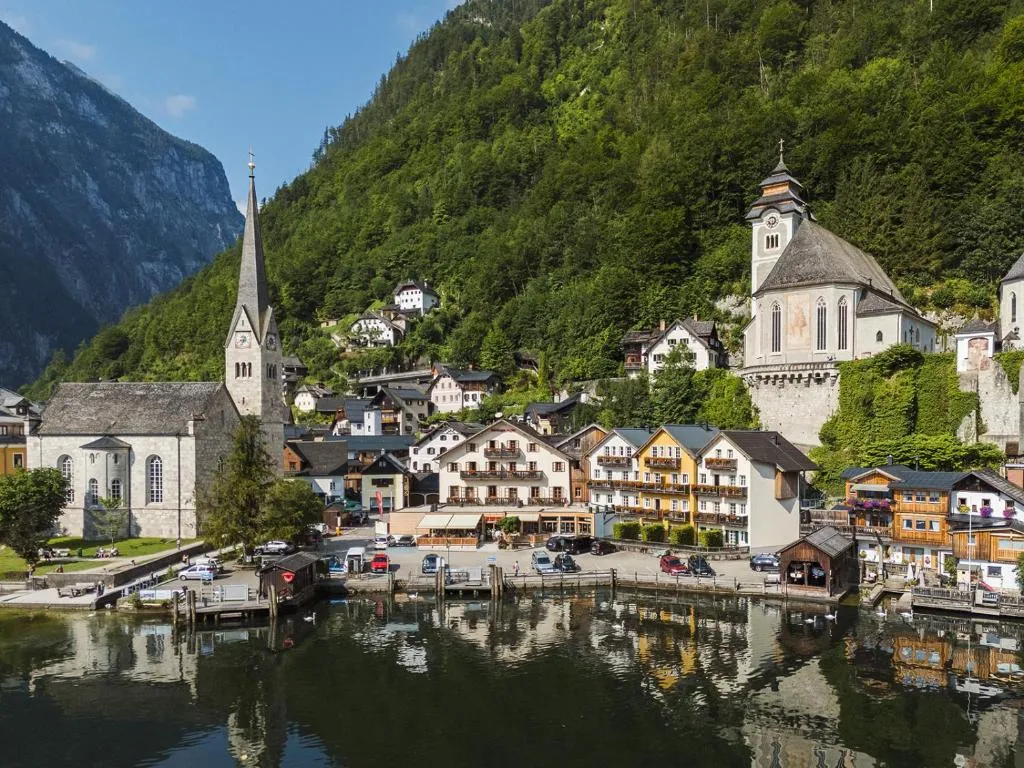 Luxury Heritage Hotel Hallstatt Restored centuries-old lakefront houses by the ferry landing; in a village with no five-stars, this is the polished splurge. Check rates →
Zell am See, the all-rounder, and the family pick
Zell am See is the Swiss-army base. You get a genuinely swimmable lake in summer, the Schmittenhöhe lifts above town, and the Kitzsteinhorn glacier near Kaprun for snow and high-alpine air even in August. It's also the gateway to the Grossglockner High Alpine Road.
Best for: families and anyone who wants lake days and glacier days from one bed. Skip it if: you want either pure village charm or a city. Zell am See is a capable resort town, not a romantic one. (For the winter version of this verdict, resort by resort, see the best family ski resorts in Austria.)
Our verified Zell am See picks
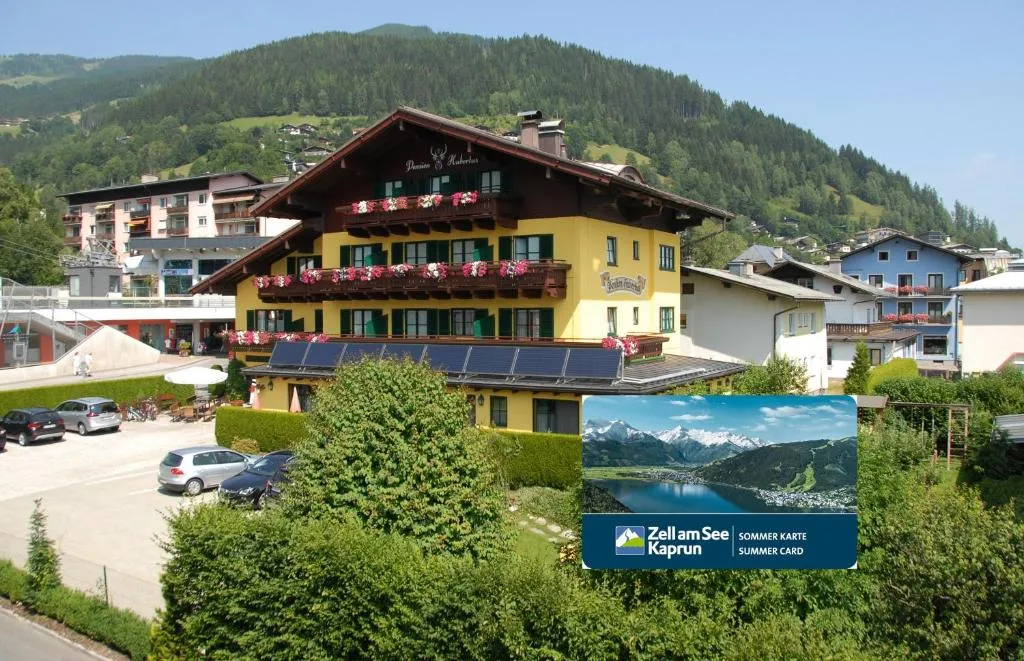 Budget Hotel Pension Hubertus Third-generation family pension beside the CityXpress lift, with a famously warm Austrian breakfast. Check rates →
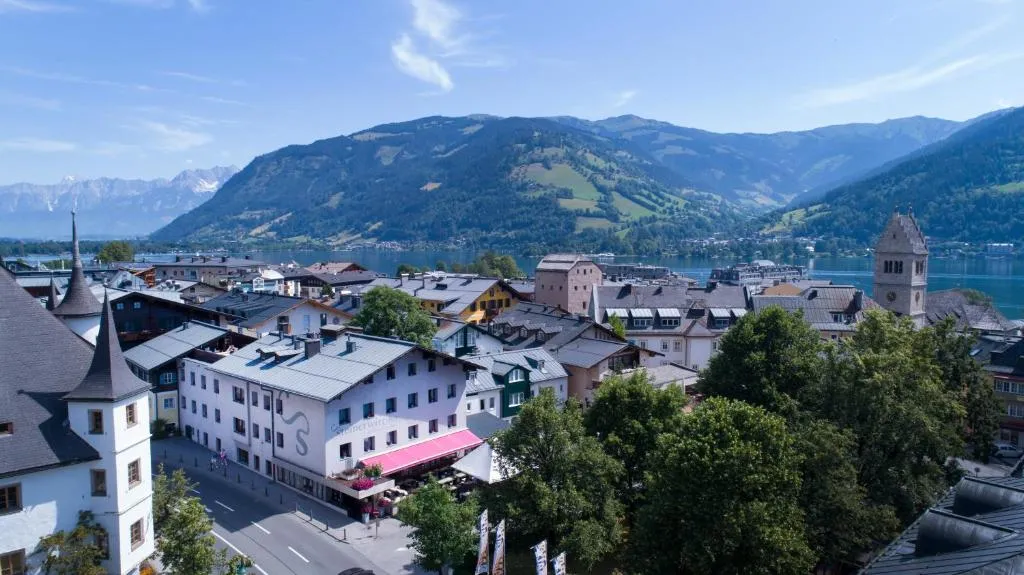 Budget Hotel Steinerwirt1493 The old town's inn since 1493, now an art-filled boutique with a rooftop spa terrace. Check rates →
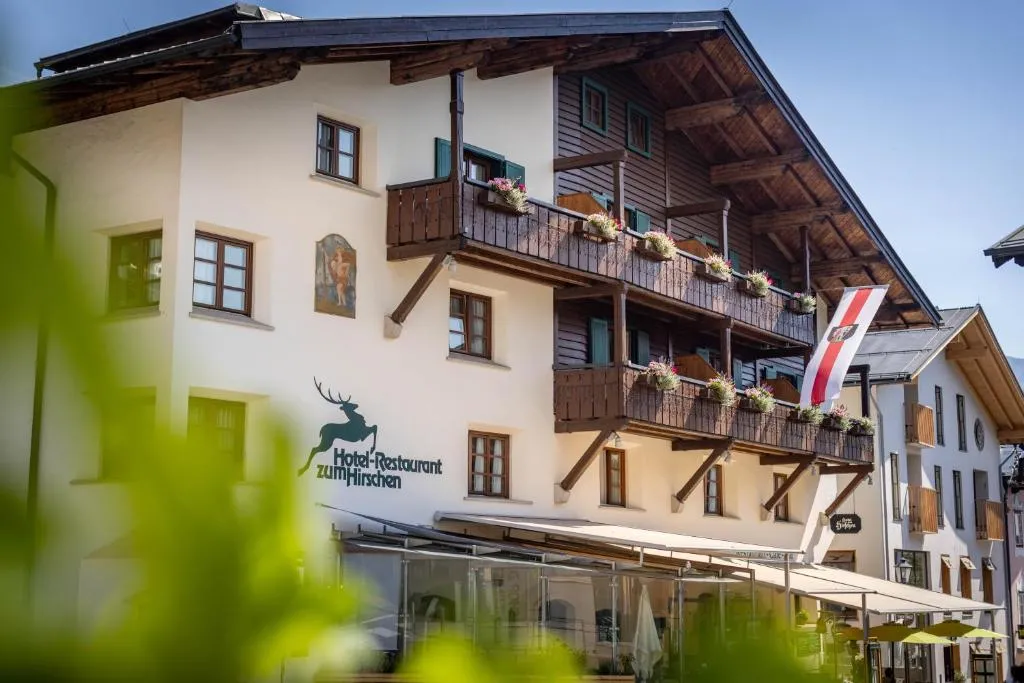 Mid-range Hotel zum Hirschen The beloved family-run four-star of the center, with a toqued restaurant and a proper little spa. Check rates →
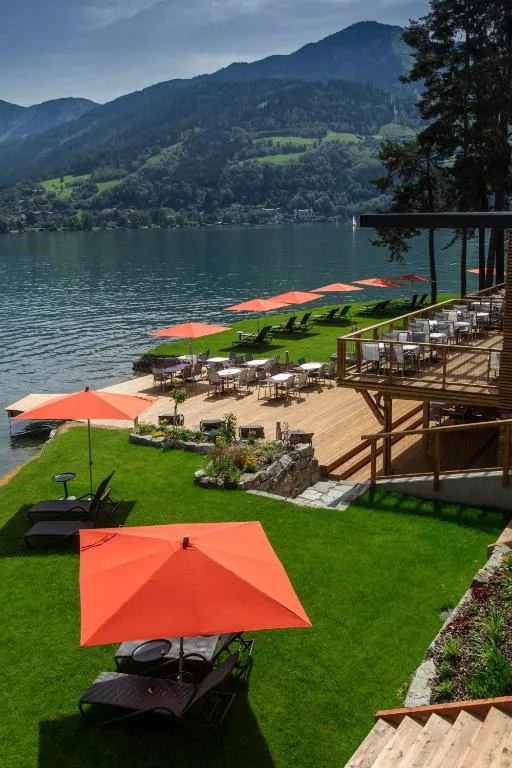 Mid-range Seevilla Freiberg Directly on the water with a private bathing lawn; every room gets a lake-view balcony or patio. Check rates →
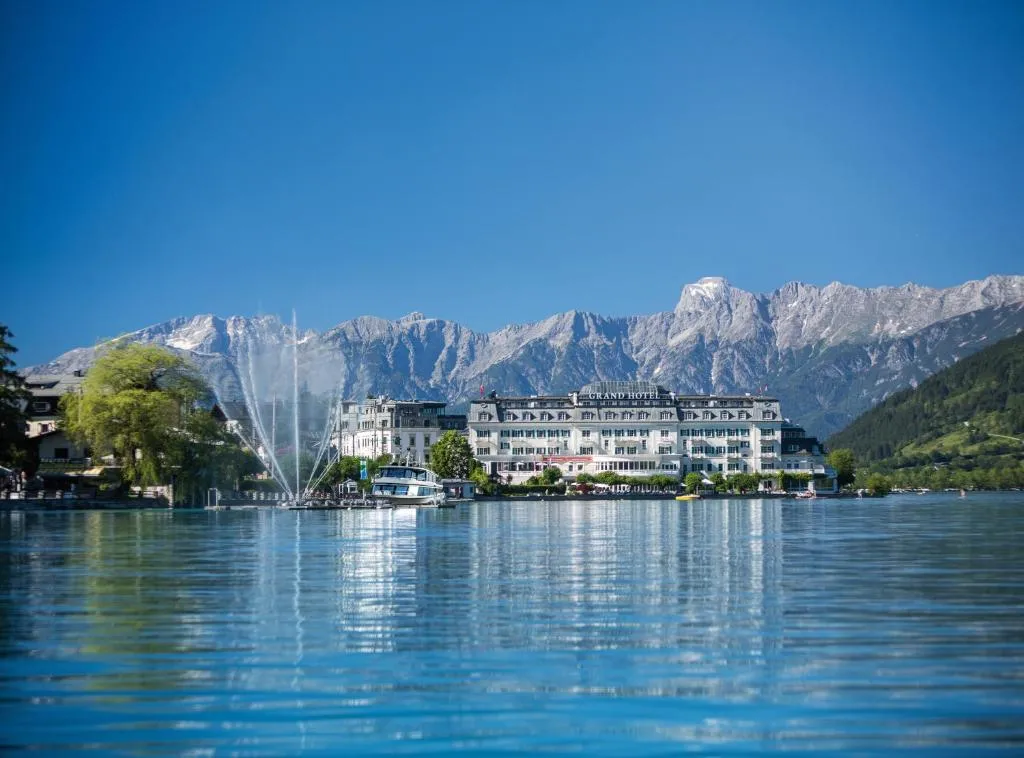 Luxury Grand Hotel Zell am See The belle-époque grande dame on her own peninsula, water on three sides; you pay for the setting more than the polish. Check rates →
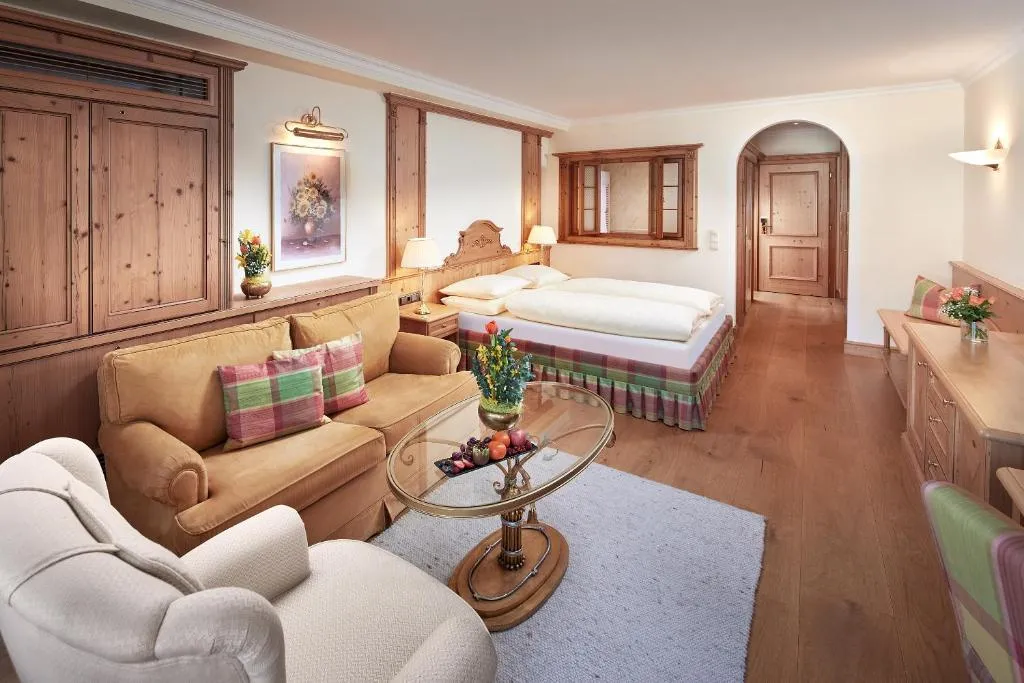 Luxury Salzburgerhof Zell's only five-star superior, family-run with a garden wellness palace; five minutes off the water. Check rates →
Kitzbühel, Seefeld, Mayrhofen, Bad Gastein, the specialists
Four more bases, each with a clear personality:
- Kitzbühel, glamorous, polished, and pricey. Best for travelers who want boutiques and a see-and-be-seen scene with their mountains; skip it if you're watching the budget.
- Seefeld, a sunny high plateau above Innsbruck, gentle and easy underfoot. Best for families and relaxed walkers; skip it if you crave dramatic, steep terrain.
- Mayrhofen, the hiking and adventure hub of the Zillertal valley, deep among serious peaks. Best for active hikers and adrenaline seekers; skip it if you want a calm, slow trip.
- Bad Gastein, a belle-époque spa town stacked dramatically down a gorge around a waterfall, with thermal baths and a moody, design-forward revival. Best for couples and wellness travelers; skip it if you want bustle or a lake. It anchors our guide to the top wellness and spa resorts in the Austrian Alps.
Car or train?
Austria is wonderfully train-friendly, one of the best rail networks in Europe. Innsbruck, Salzburg, Zell am See, Mayrhofen and Bad Gastein all connect comfortably by rail, and within towns you rarely need a car at all. Take the train by default.
A car mainly earns its keep for two things: driving the spectacular Grossglockner High Alpine Road, and reaching the more remote Salzkammergut lakes on your own schedule. If neither is central to your plan, leave the car behind. The full case is in Austria by train or car.
The biggest mistake
Trying to base everywhere. Austria's variety tempts people into five towns in a week, and they spend the trip packing instead of arriving. Pick two or three bases, not five, and give each at least two nights. One city, one mountain valley, maybe one lake. That's a trip with room to breathe.
What we'd do
For a first week, we'd pair Innsbruck (city plus the Nordkette high mountains right above it) with Zell am See (lake, glacier, and the Grossglockner within reach), and add a single overnight in Hallstatt to catch that crowd-free dawn, all by train, with maybe one rental-car day for the Grossglockner road. It's the spine of our 7 Days in the Austrian Alps itinerary (or the Tirol hiking 5-day route for a walking-focused trip), and it's the version of Austria we'd send our own family on.
Match your bases to the month with the best time to visit the Austrian Alps, and if you're weighing Austria against its neighbors, see Bavarian Alps vs Austrian Alps and Swiss Alps vs Austrian Alps. When you're ready to lock in your bases, the fastest way is to find your perfect Alps base, answer a few questions and we'll point you to the towns that actually fit your trip.


