
7 Days in the Austrian Alps: Tirol, Lakes & Glaciers
The complete first-timer's loop through the Austrian Alps, a real alpine city, a glacier-and-lake base, and the most beautiful village in the country, with one unforgettable mountain drive in the middle.

Length
7 days
Style
City, lakes & mountains
Getting around
Mixed
Pace
Balanced
Best season
June to September
Budget
$$$
The route at a glance
View route on Google MapsDriving this one? Our guide to renting a car in the Alps covers pickup strategy, vignettes, winter rules, and border fees.
Best for
First-time visitors who want Austria's full range, culture, lakes, and high mountains, without having to choose just one.
Your bases
2 days based here
2 days based here
3 days based here
Day by day
- Day1
Land in Innsbruck
InnsbruckArrive and settle into Innsbruck, the Tirol capital that sits dramatically wedged between the river and the rampart of the Nordkette. Spend the evening wandering the compact old town beneath the Golden Roof, the late-Gothic loggia with its gilded copper tiles, past the pastel townhouses and the Hofkirche. As the light fades, the Nordkette glows above the rooftops, a reminder of how close the high mountains sit to the cafe tables. Keep the first night easy and grab dinner in the old town; tomorrow you ride straight from the city into the Alps.
- Day2
City to summit
InnsbruckRide the Nordkette up in stages straight from the center of town: the Hungerburg funicular from near the old town, then two cable cars to the Hafelekar ridge at around 2,300m, where the city lies mapped out below and the Tirol peaks roll away to the south. It is a rare thing to step from a coffee in the old town to a high alpine ridge in well under an hour, with no car needed all day. Go up in the morning for the clearest air, walk a short stretch of the ridge if your legs and the weather allow, then drop back down for an afternoon of museums, cafes, and a slice of strudel. Check the top-station webcam before you buy your ticket; the ridge is worth waiting for a clear window.
- Day3
To the lake
Zell am SeeMake the scenic transfer east to Zell am See, a lakeside town where the mountains rise almost straight out of the water at the foot of the Kitzsteinhorn glacier. Whether you come by train through the valleys or by car, the run is an easy one, so arrive with the afternoon free for the lake. Walk the flat shoreline promenade that rings the water, rent a pedal boat or take a dip from one of the lakeside bathing spots, then find a terrace for the evening light on the peaks. Keep tomorrow's big day in mind and turn in early; the glacier and the great road ahead deserve a fresh start.
- Day4
Glacier & the great road
Zell am SeeThis is the day everyone remembers, so start early and watch the forecast, both highlights need clear skies. Ride the lifts up the Kitzsteinhorn to the glacier in the morning for snow underfoot in summer and a viewing platform that looks across to the Hohe Tauern peaks. Then drive the Grossglockner High Alpine Road, a toll route of stacked hairpins, alpine meadows where marmots whistle, and pull-outs facing Austria's highest peak and its glacier at the Kaiser-Franz-Josefs-Hohe. It is a long, full day with a lot of driving, so leave time for the many stops and check that the high road is open before you commit; it closes overnight and in bad weather.
- Day5
Into the Salzkammergut
HallstattTransfer north through the Salzkammergut, Austria's storied lake district of glassy water and wooded hills, toward Hallstatt and its famous spire above the lake. Time the drive so you arrive in the late afternoon, once the tour buses and day-trippers have cleared and the village settles back into its quiet, lamplit best. This is the whole reason to stay over rather than visit on a day trip: the classic lakeshore view belongs to those who linger past sunset and wake before the crowds. Note that the village core is essentially car-free, so check where your accommodation expects you to park, often in a lot just outside, and walk in.
- Day6
Lake village, dawn to dusk
HallstattStart at sunrise on the empty lakefront, when the village belongs to you and the early light is at its softest for the classic photograph from the northern shore. By day, ride the funicular up to the Salzwelten salt mine, one of the oldest in the world, and step out onto the Skywalk platform that juts over the rooftops and the lake far below. Hallstatt has mined salt for thousands of years, and the mine tour is the cultural anchor of the place beyond the postcard view. Close with a slow lakeside dinner as the water turns pink, the reward for staying the night while everyone else has gone.
- Day7
Out via Salzburg
HallstattTake a final slow morning by the water, then drive out of the lake district toward Salzburg, an easy run of well under two hours, for your flight home. If your schedule allows, add a night in Salzburg as a coda: the baroque old town, Mozart's birthplace, and the Getreidegasse make a graceful contrast to the mountains and lakes behind you. Salzburg's compact airport also makes a convenient departure point, so you can fly out without a long backtrack. Build in buffer before check-in on a travel day, and let the trip end at a gentle pace rather than a dash.
Where you’d sleep on this route
One field-verified pick per base, matched to this route’s pace. Each town’s full lodging guide has picks at every budget.
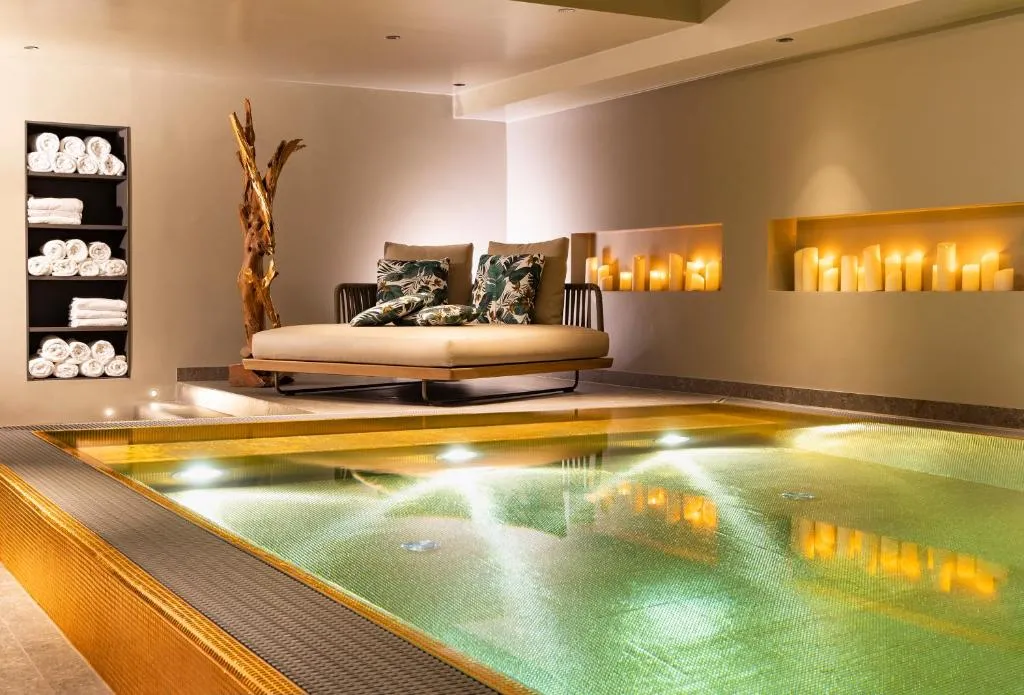
Days 1–2 · Innsbruck
Right where the Altstadt meets the river, with a rooftop spa and pool looking straight at the Nordkette.
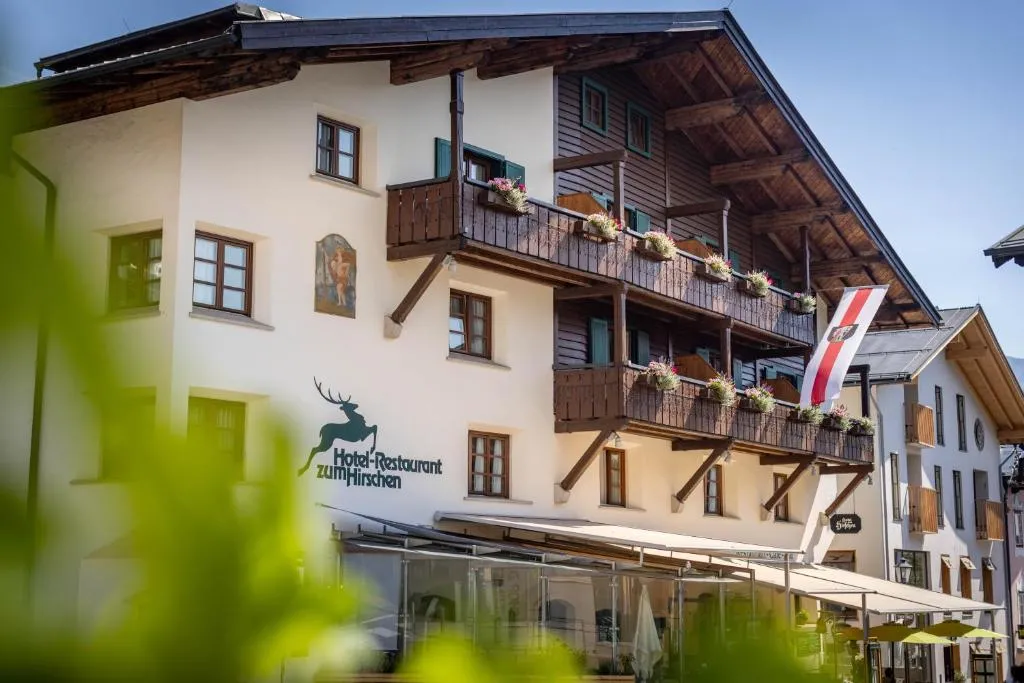
Days 3–4 · Zell am See
The beloved family-run four-star of the center, with a toqued restaurant and a proper little spa.
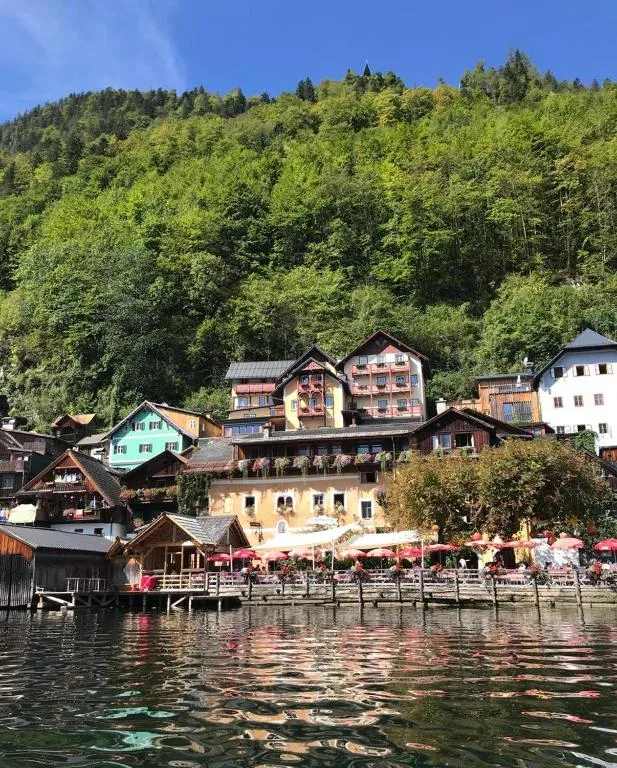
Days 5–7 · Hallstatt
A 15th-century brewer's inn on the lakefront with its own waterside terrace, steps from Marktplatz.
Experiences along the route
One bookable highlight per base, the specific tickets we’d reserve, verified like everything else on this site.
Innsbruck
Innsbruck: City Card Including Public Transport★ 4.7 · 525 reviews
Covers the sights and transit in one card, the efficient way to do Innsbruck.
Zell am See
Kaprun: High Mountain Reservoirs Experience with Dam Tour
The Kaprun high reservoirs and dam day, engineering with a view.
Hallstatt
Salzkammergut: Guided e-bike tour to the alpine pastures in Gosau and Hallstatt
An e-bike day through Gosau and the alpine pastures above the lakes.
Some links on this page are affiliate links. If you book through them we may earn a small commission, at no extra cost to you. It helps keep our guides free. We only recommend what we’d book ourselves.
Frequently asked questions
- Do you need a car for the Austrian Alps?
- For this loop, mostly no, but a car helps for one leg. Innsbruck and Hallstatt are rail-served, and the Nordkette is reachable from the city center. The Grossglockner High Alpine Road around Zell am See is the one stretch a car transforms; you can also do it as a guided tour if you would rather not drive.
- Is Hallstatt worth an overnight?
- Yes, and it is the quiet secret of this itinerary. Hallstatt is overrun by day-trippers from late morning, so staying over gives you the empty lakefront at sunrise and dusk, when the village is at its best. Arriving late afternoon, after the buses leave, is the move.
- When should you visit the Austrian Alps?
- June to September for the high mountains, lakes, and the Grossglockner road, which is closed in winter. July and August are warmest and busiest; June and September are quieter with most things open.
- Where do you fly in and out for this loop?
- Innsbruck is the most convenient gateway, sitting right on the route with its own airport, though connections can be limited. Munich and Salzburg are larger alternatives within easy reach by road, and Vienna works if you are combining it with a city stay. The loop is shaped to bring you back toward Innsbruck.
- How should you split the nights?
- We would build it around three anchors over the week: a couple of nights based in Innsbruck for the Nordkette and old town, time near Zell am See for the Grossglockner road, and a night in Hallstatt to catch the lake at dawn. Arriving in Hallstatt late, after the day-trip buses leave, is the key move.
- How much driving is involved?
- Moderate. Most days are short hops, with the Grossglockner High Alpine Road as the one long, deliberate driving day, and that drive is a highlight rather than a chore. If you go car-free, the regional trains link Innsbruck and Hallstatt well, and the Grossglockner can be done as a guided tour.

Researched & written by
Jon Miksis
Jon Miksis is the founder of Alps by Design and an award-winning travel writer whose work has been featured in Forbes, HuffPost, Yahoo Travel, and The Boston Globe. He travels to all six Alpine countries at least twice a year and has been trusted by national tourism boards across Europe.
More about Alps by Design →More trips you might like
Other itineraries through the same countries, longer, shorter, or a different angle.
 5 days · Hiking
5 Days Hiking in Tirol: Innsbruck & the Zillertal
A focused Tirol hiking trip for people who want trails, not transfers, an easy city base under the Nordkette, then the high huts and glacier of the Zillertal, all reachable by train.
 14 days · Grand tour
The Grand Alpine Tour: 14 Days, Five Countries
The whole Alps in one sweep. Five countries, the four great massifs, and the scenic roads and railways that stitch them together. From Lucerne's lake to the Matterhorn, Mont Blanc, the Dolomites, and the Bavarian lakes, this is the once-in-a-lifetime version, paced with two nights almost everywhere so it never turns into a race.
Read before you go
ExperiencesIs the Top of Innsbruck Worth It? An Honest Review
An honest review of Innsbruck's Nordkette cable car: the real cost, the ride from the old town to 2,256 m, the Karwendel view most people miss.
8 min read
 Best Bases
Top Wellness and Spa Resorts in the Austrian Alps
The best wellness and spa resorts in the Austrian Alps, by type: the grand mega-spa, the thermal water world, the adults-only retreat, and more.
7 min read
First-Time PlanningAustria by Train or Car: Which Is Better?
Train or car for the Austrian Alps? An honest decision guide on rail hubs, the great alpine drives, costs, and exactly which one fits your trip.
9 min read
Want this trip designed around you?
Answer a few questions and an Alps specialist builds your personalized version of this trip: your pace, your budget, your kind of days, hand-reviewed before it reaches you.
Or get the free 7-day starter route: