

The single biggest misunderstanding about the Dolomites is that they're a place. They're not. They're a region of valleys, each with its own villages, its own light, and its own personality, separated by mountain passes that take real time to drive. People book one hotel "in the Dolomites," then discover the famous hike they came for is two hours and two passes away. The fix is to choose your valley deliberately, and usually to pick two.
So let's make the actual decision. The Dolomites sprawl across three provinces, South Tyrol in the north, Trentino to the southwest, and the Veneto around Cortina in the east, but for planning purposes they sort into a handful of base valleys. Here's who each one is genuinely for.
The Dolomites bases at a glance
- Best all-rounder
- Ortisei
- For families
- Ortisei
- Most scenic
- Cortina
- Car needed
- Yes
| Base | Valley / region | Best for | Get there by |
|---|---|---|---|
| Ortisei | Val Gardena (South Tyrol) | First-timers, families, food | Bus from Bolzano; car helps |
| Cortina d'Ampezzo | Veneto (east) | Style + the famous eastern hikes | Bus from Venice; car helps |
| Corvara | Alta Badia | Gourmet huts, the Sella Ronda | Car |
| Canazei | Val di Fassa | Hikers, the Marmolada | Car |
| Bolzano | South Tyrol capital | A car-free opener (not the Alps) | Train |
Now the detail on each.
Ortisei (Val Gardena), the best all-rounder and easiest first base
Ortisei is where we send most first-timers. It's the prettiest town in Val Gardena, with a pedestrian centre and, crucially, cable cars rising straight from the middle of town to Seceda and the Alpe di Siusi, the two views that put the Dolomites on your screen. The food is South Tyrolean and excellent, the half-board wellness hotels are the local norm (and South Tyrol's adults-only spa hotels with infinity pools take that wellness tradition to its couples-retreat conclusion), and you can have a brilliant day or two before you ever start the car.
Best for: first-time visitors, families, food lovers, and anyone who wants drama without a steep logistics learning curve. Skip it if: you're chasing the eastern icons like Tre Cime every day. They're a long drive from here.
Torn between Val Gardena and the east? Read Ortisei vs Cortina. Once you've picked it, here's where to stay in Ortisei.
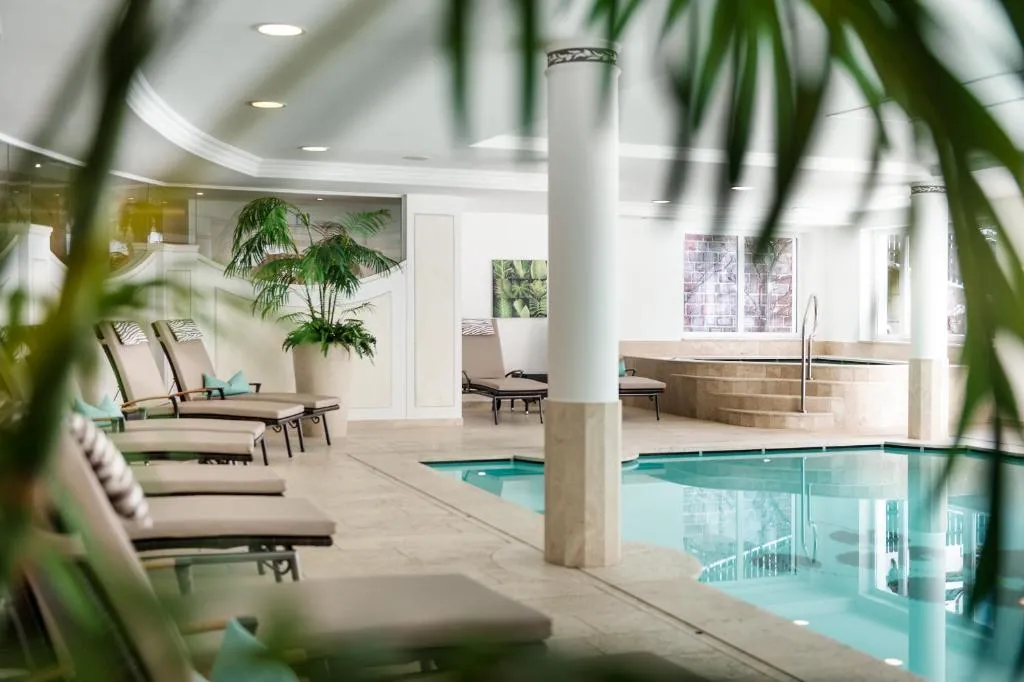 Found on Booking.comFrom €280/night
Ortisei, Italy
Hotel Grones
Ortisei's whole appeal is an easy first Dolomites base, and Hotel Grones sits comfortably in that lane, a family-run South Tyrolean hotel a short walk from the cable car up to Seceda, with a pool, a spa, and the half-board dinners that are the local norm rather than an upsell. Rooms are comfortable and traditional rather than showy, which fits a trip built around the mountain, not the room. It's an easy walk into the pedestrian centre for dinner out on the nights you'd rather skip the hotel kitchen.
- Guest rating
- 9.4 / 10
- From
- €280/night
- Best for
- easy first Dolomites base
Some links on this page are affiliate links. If you book through them we may earn a small commission, at no extra cost to you. It helps keep our guides free. We only recommend what we’d book ourselves.
Our verified Ortisei picks
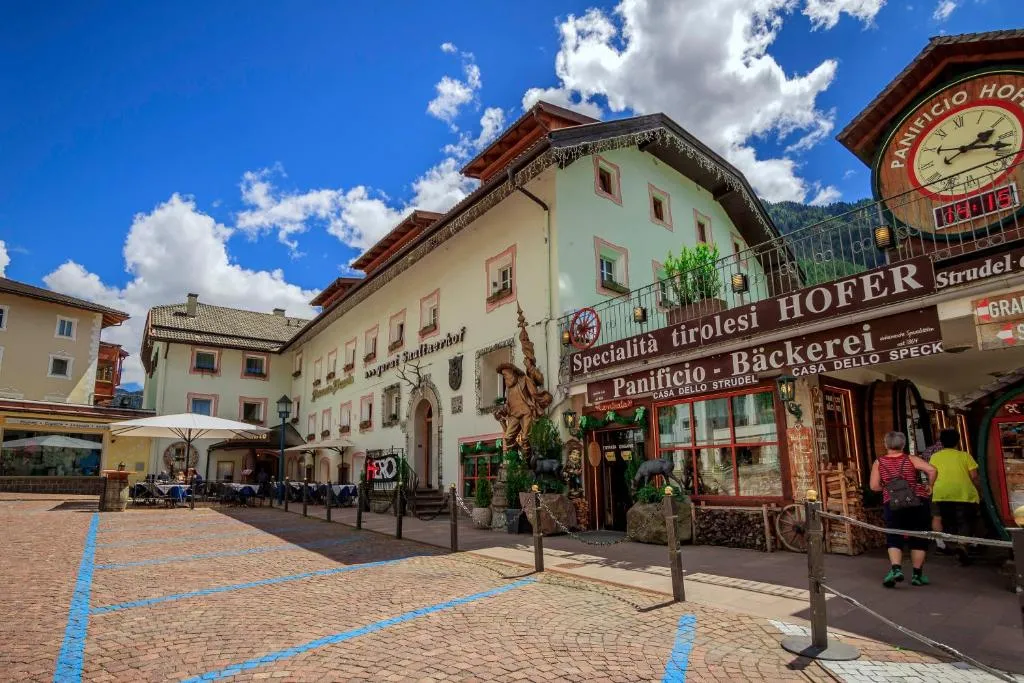 Budget Hotel Garni Snaltnerhof A sixth-generation family garni in a former 17th-century bakery, right on the pedestrian street. Check rates →
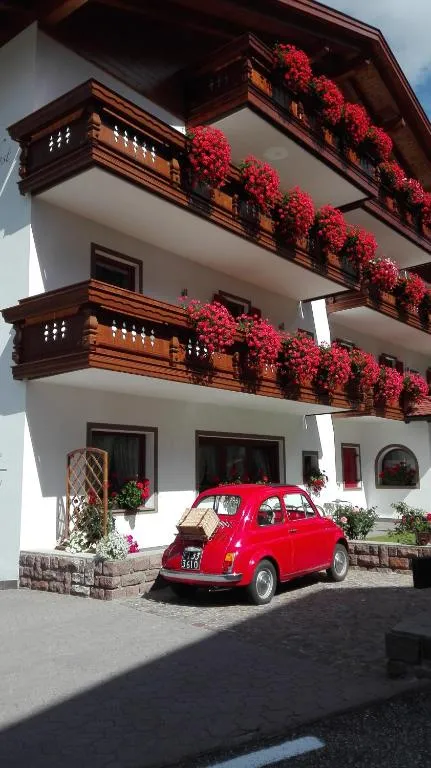 Budget Hotel Garni Walter Warmly run little B&B near the Alpe di Siusi gondola whose breakfast guests rave about. Check rates →
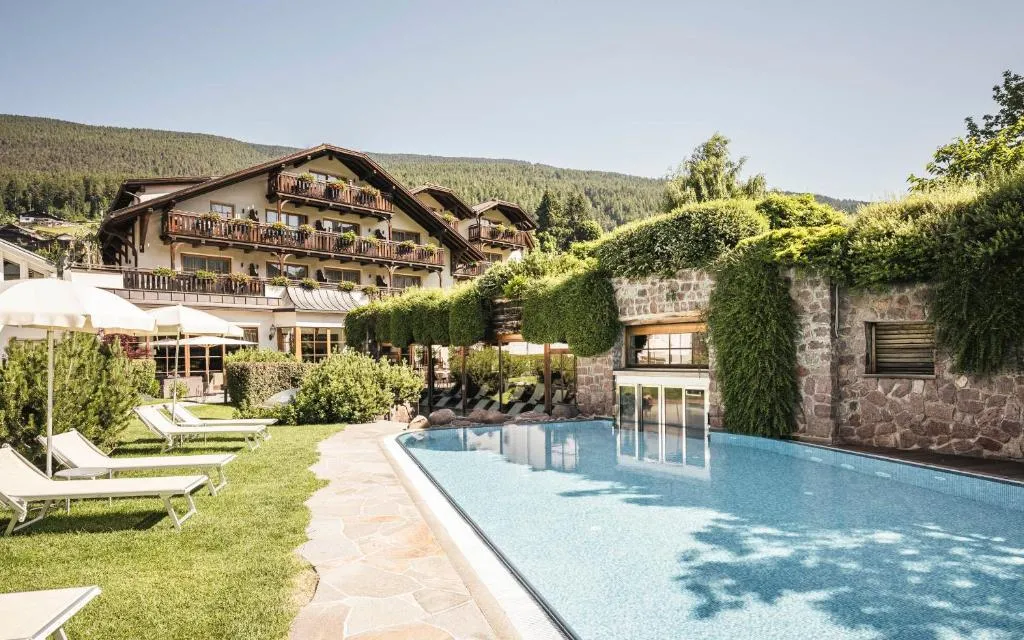 Mid-range Hotel Angelo Engel The Demetz family's quiet overachiever for 110 years, with a year-round heated outdoor pool. Check rates →
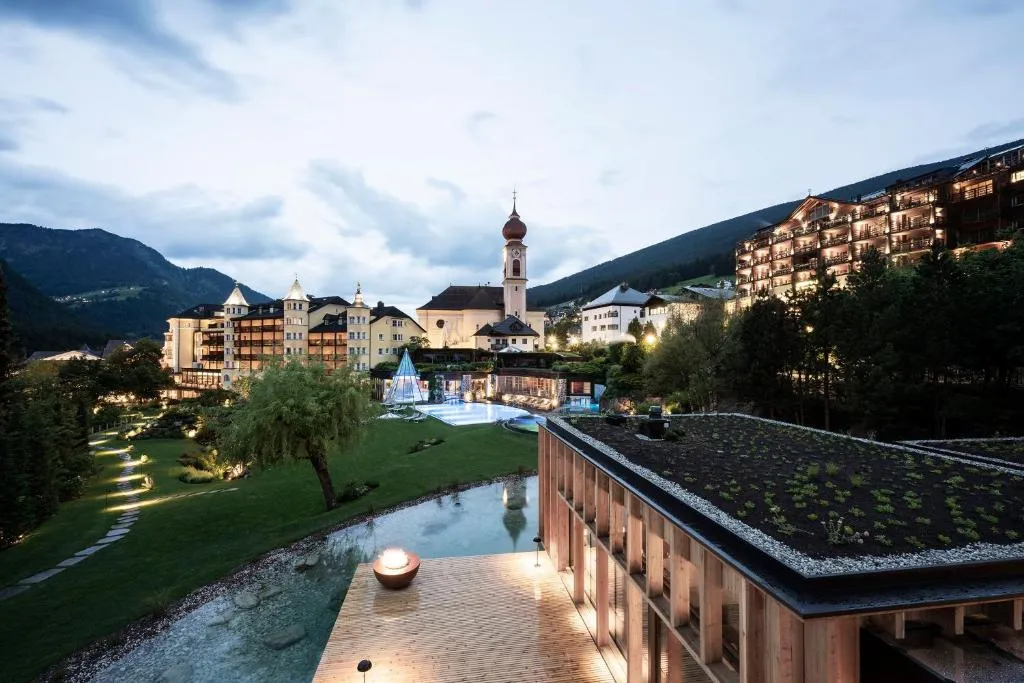 Luxury ADLER Spa Resort DOLOMITI Ortisei's grand dame: a full spa resort in its own park with a guided daily mountain program. Check rates →
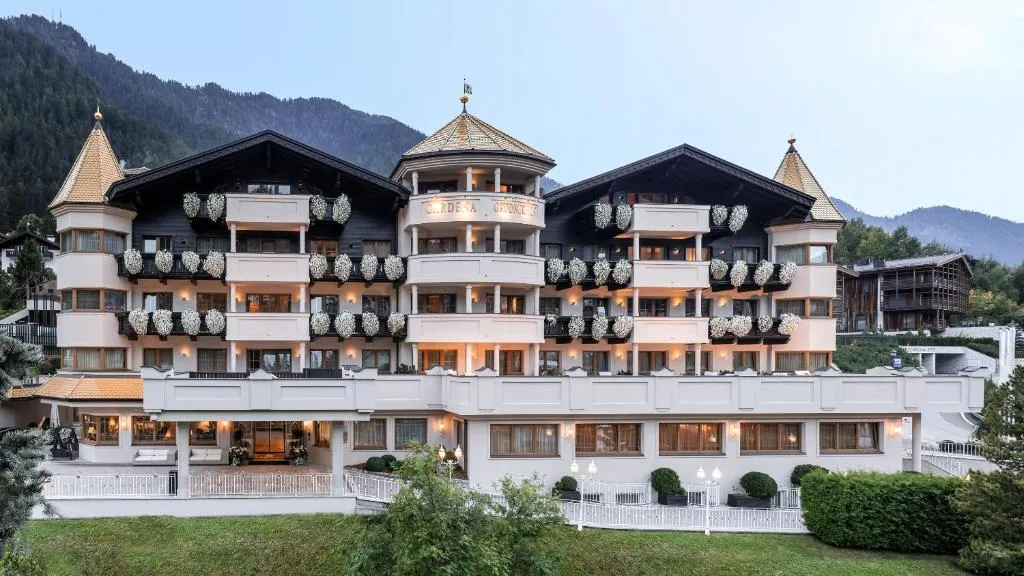 Luxury Gardena Grödnerhof The polished five-star alternative: Relais & Châteaux service and the Michelin-starred Anna Stuben. Check rates →
Cortina d'Ampezzo, glamour, and the range's most famous hikes
Cortina is the Dolomites' grande dame: a stylish resort town ringed by some of the most spectacular peaks anywhere, and the launch pad for the trails everyone's heard of, Tre Cime di Lavaredo, Lago di Sorapis, the Cinque Torri. It leans upscale and spreads along its valley, so it asks more of your budget and your car than Val Gardena does, but for headline scenery it's the Alps at full volume.
Best for: couples, style-conscious travelers, and hikers whose wish list is the famous eastern trails. Skip it if: you're on a tight budget or want everything walkable from the door. Cortina is grander and more spread out than it first looks. Here's where to stay in Cortina.
 Found on Booking.comFrom €350/night
Cortina d'Ampezzo, Italy
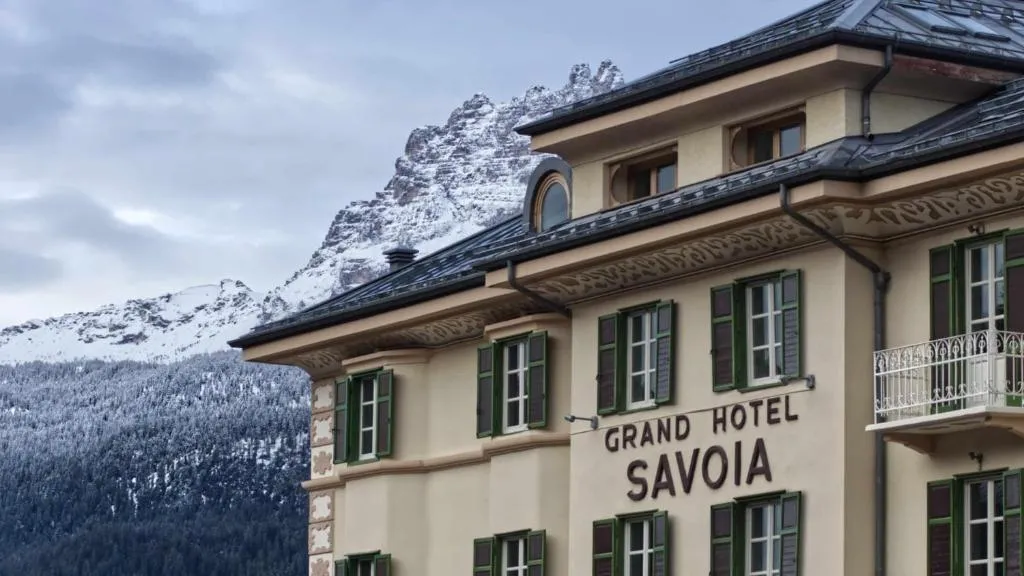
Grand Hotel Savoia
Cortina calls itself the Dolomites' grande dame, and the Grand Hotel Savoia wears that title well, a historic address on the Corso with a spa, a garden, and the kind of formal service that suits a ski-glamour town. It's an easy walk to the boutiques and the cable car up to Faloria, and a solid launch point for the Tre Cime and Sorapis trailheads by car. It's priced like the town around it, so pair it with a tighter budget elsewhere on the trip if Cortina is your one splurge.
- Guest rating
- 9.4 / 10
- From
- €350/night
- Best for
- grande-dame glamour, eastern hikes
Our verified Cortina d'Ampezzo picks
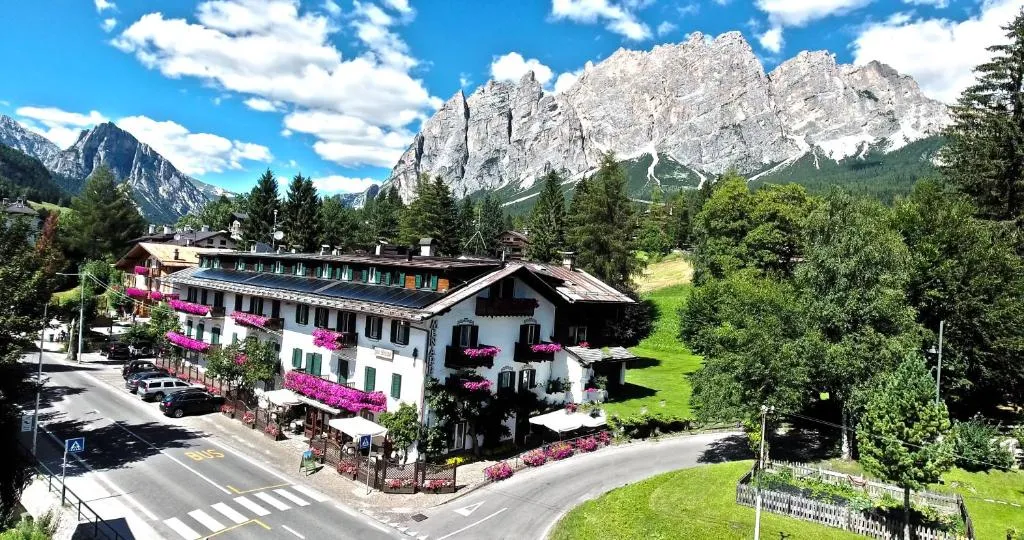 Budget Hotel Menardi A historic coaching inn the Menardi family has run for generations; the honest classic, on the ski-bus line. Check rates →
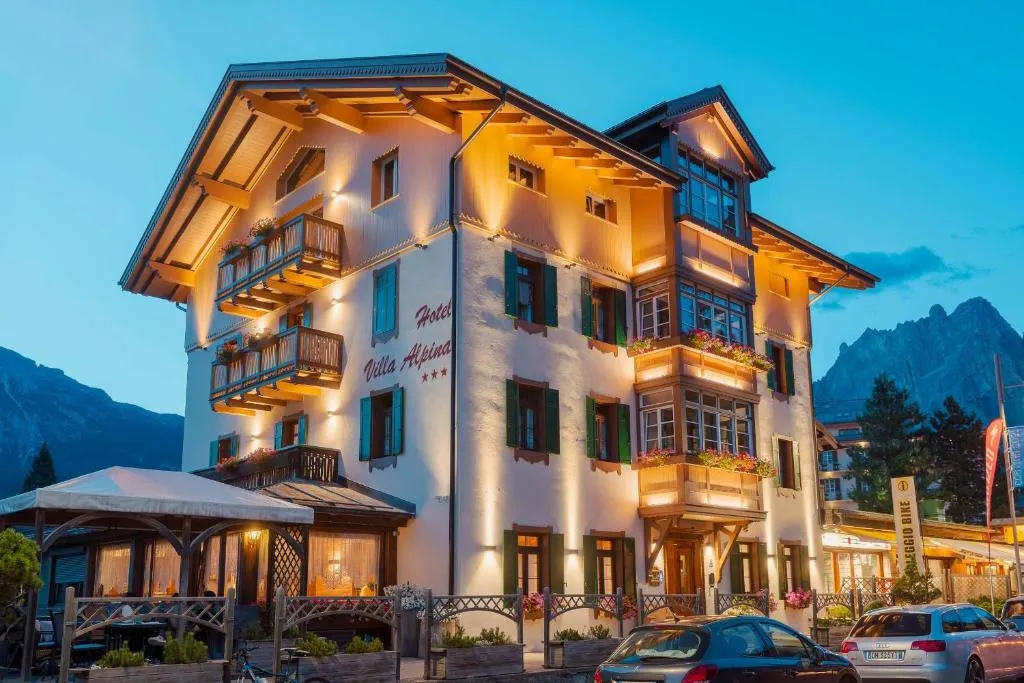 Budget Hotel Villa Alpina Warm family-run three-star superior two minutes from Corso Italia; the center-of-town value play. Check rates →
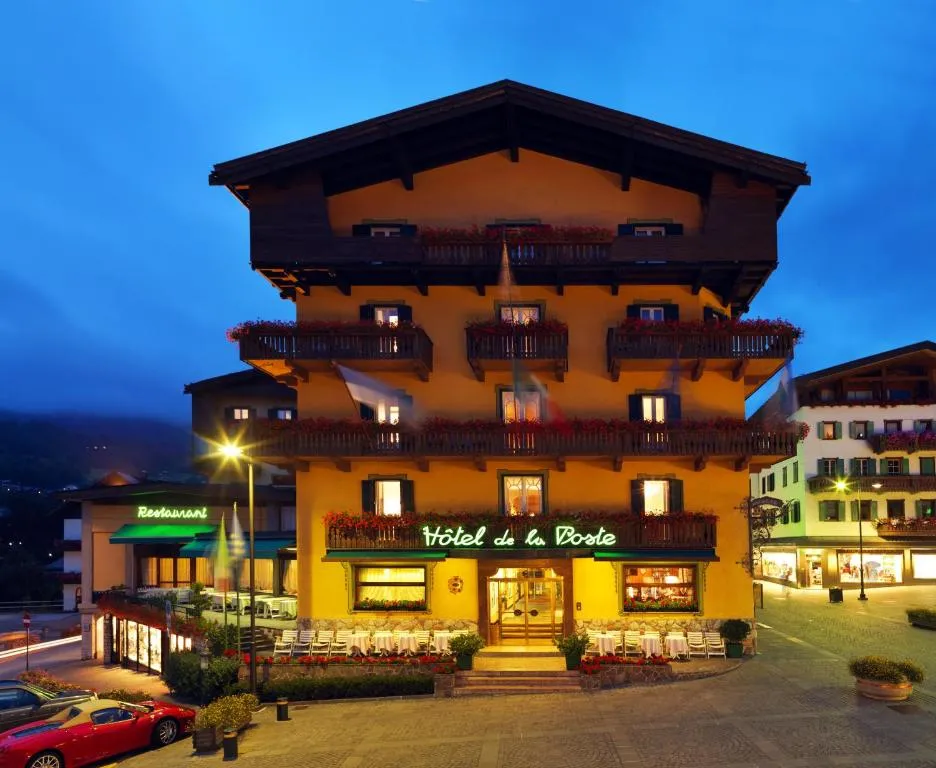 Mid-range Hotel de la Poste Cortina's living room since the early 1800s; book it for the terrace and the passeggiata under your window. Check rates →
 Mid-range Ambra Cortina A jewel-box boutique steps from the Corso, the fashion crowd's favorite. Check rates →
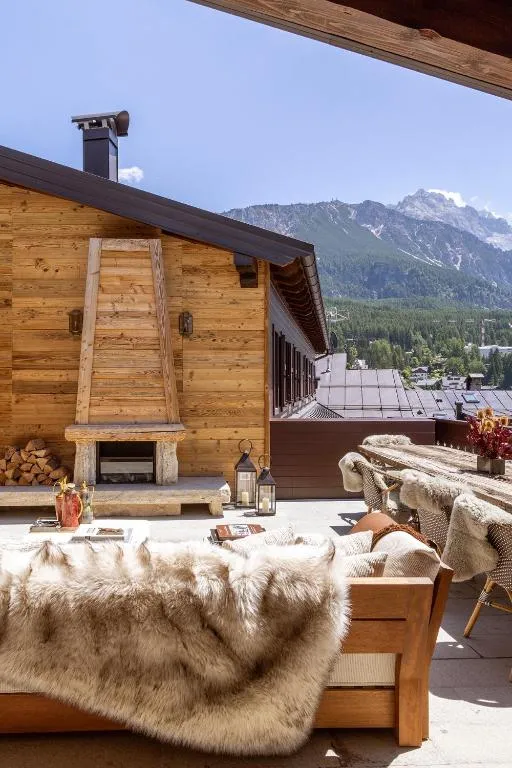 Luxury Ancora Cortina The 1826 icon on the Corso, newly reborn under Leading Hotels of the World; the address in town. Check rates →
Corvara (Alta Badia), gourmet huts and the Sella Ronda
Corvara is the main village of Alta Badia, the polished, Ladin-speaking corner of the range beneath the Sella towers. It sits right on the Sella Ronda lift circuit, so you can hike or ski from the village, and it's famous for one thing above all: the best mountain-hut dining in the Alps. Up here, a rifugio lunch can be a serious, sit-down event, and it's worth planning the day around.
Best for: food lovers, couples, and skiers who want comfort and a central spot on the Sella circuit. Skip it if: you want budget beds or a lively town scene. Alta Badia is quiet and upscale by design. Torn between Val Gardena's buzz and Alta Badia's polish? Our Ortisei vs Corvara comparison settles it. Here's where to stay in Corvara.
Our verified Corvara picks
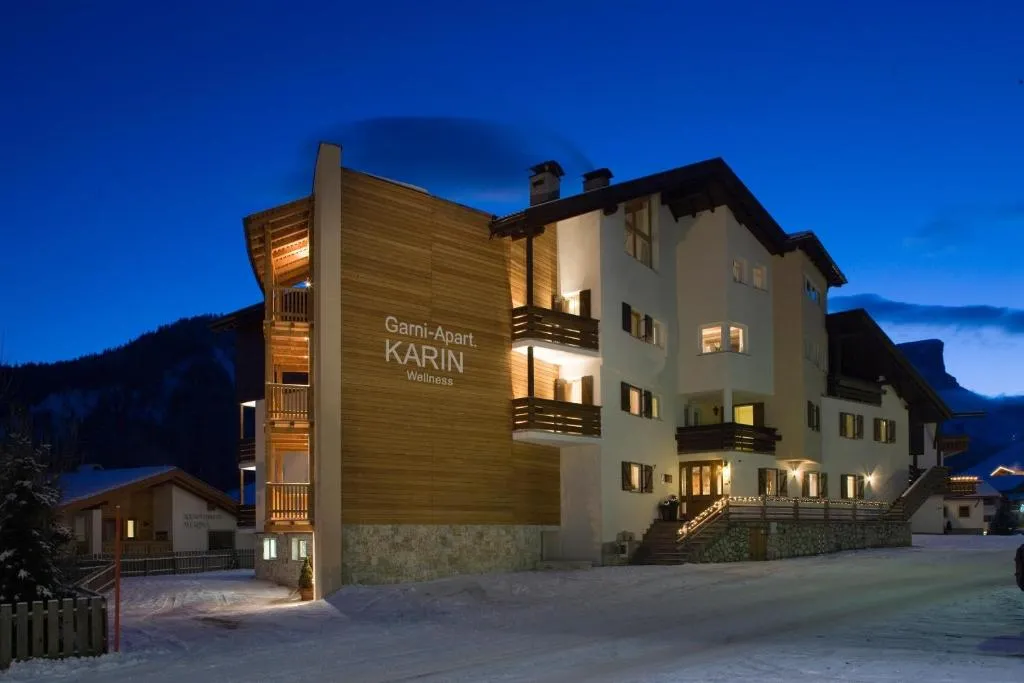 Budget Garni Karin A spotless family-run B&B with a small sauna floor that feels like a gift at this price; plan dinners in the village. Check rates →
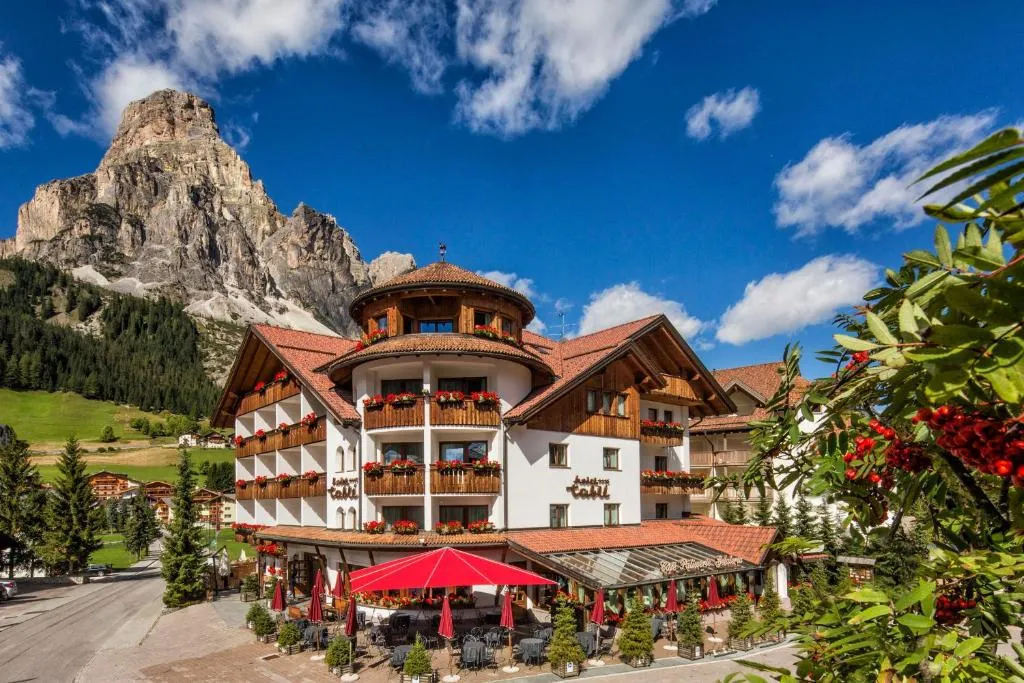 Budget Hotel Tablé A friendly three-star in the heart of Corvara with a little wellness corner and generous cooking; simpler than its neighbors, so the bill stays kind. Check rates →
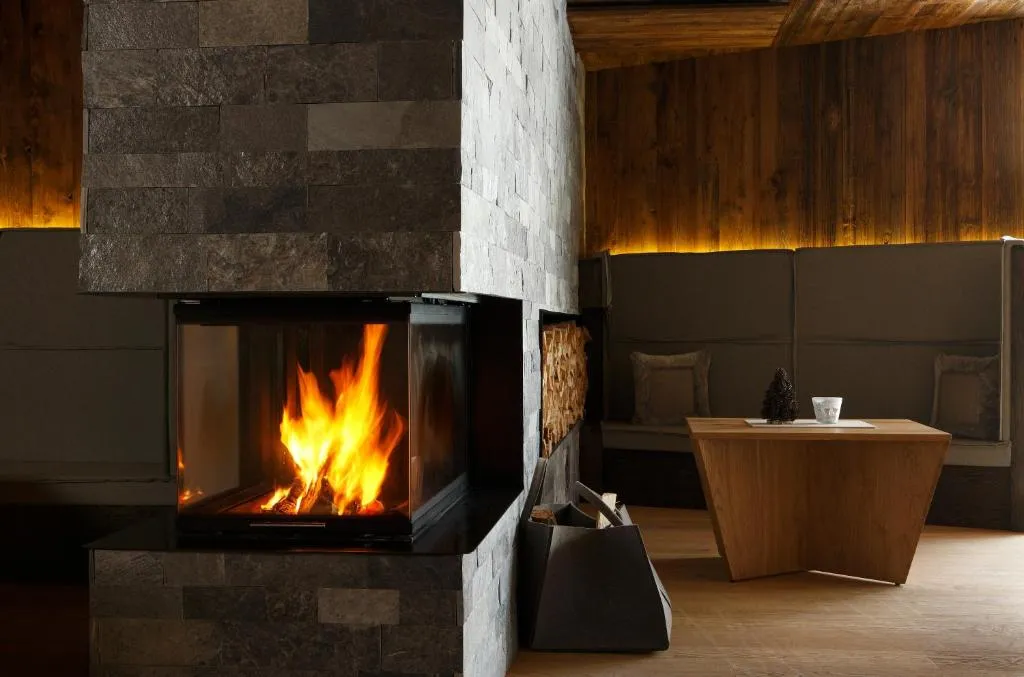 Mid-range Hotel Col Alto Corvara's dependable four-star superior at the foot of the Col Alto lift, with a big pool and a four-course half board that ends ski days properly. Check rates →
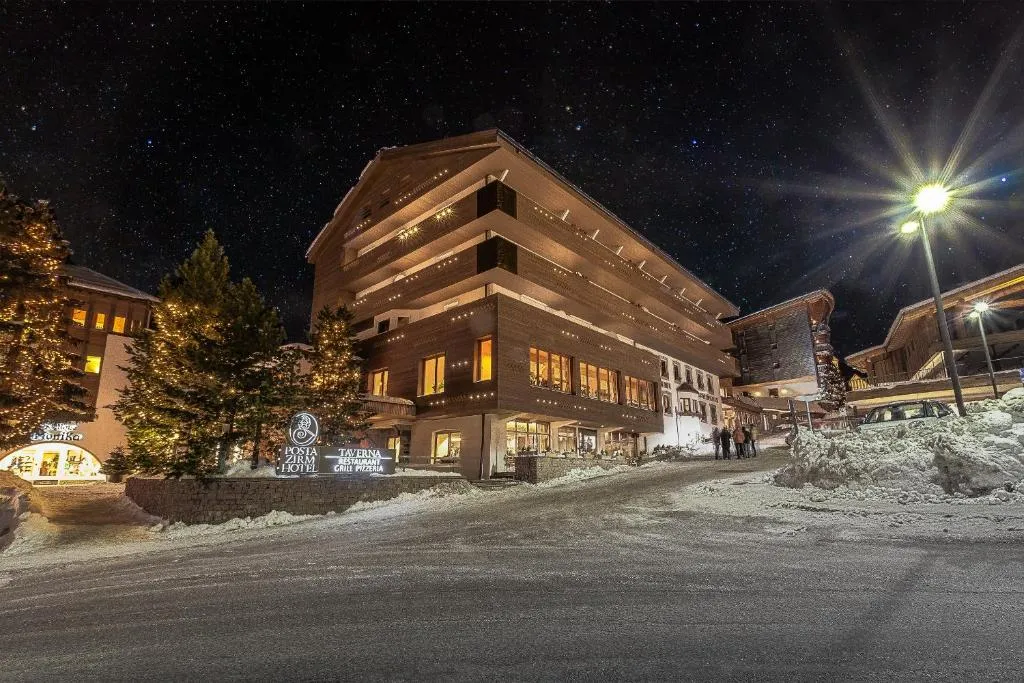 Mid-range Posta Zirm Hotel The village's historic post house, four generations in the same family, wrapped around a 950 square meter spa beside the gondola. Check rates →
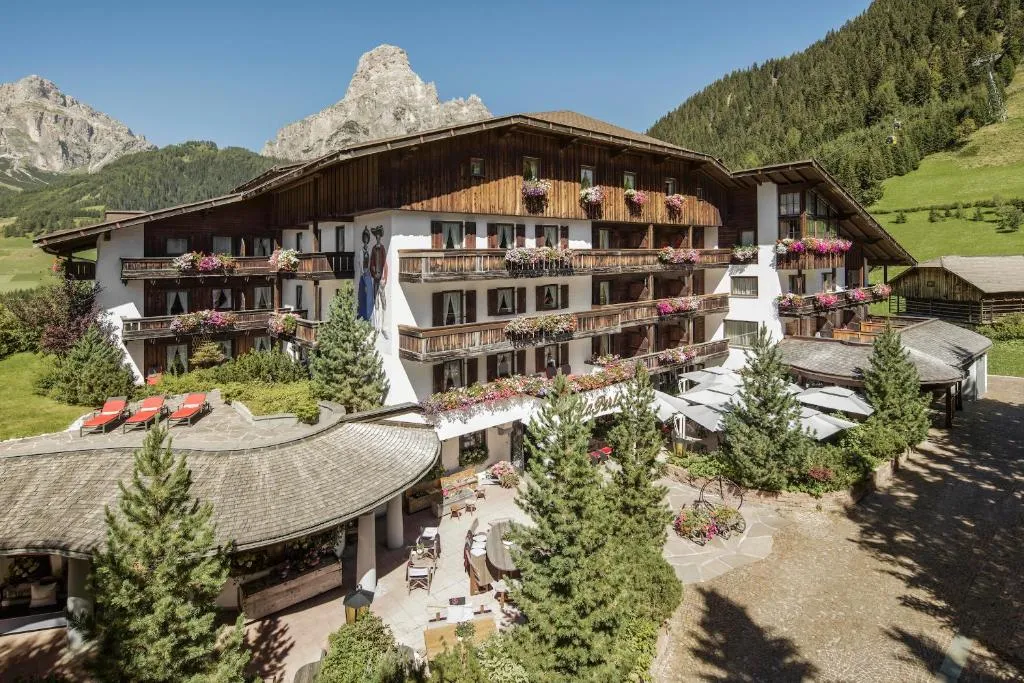 Luxury Hotel La Perla The romantic Ladin grande dame, candlelit carved-wood salons and a Michelin-starred stube; peak ski weeks can carry minimum stays. Check rates →
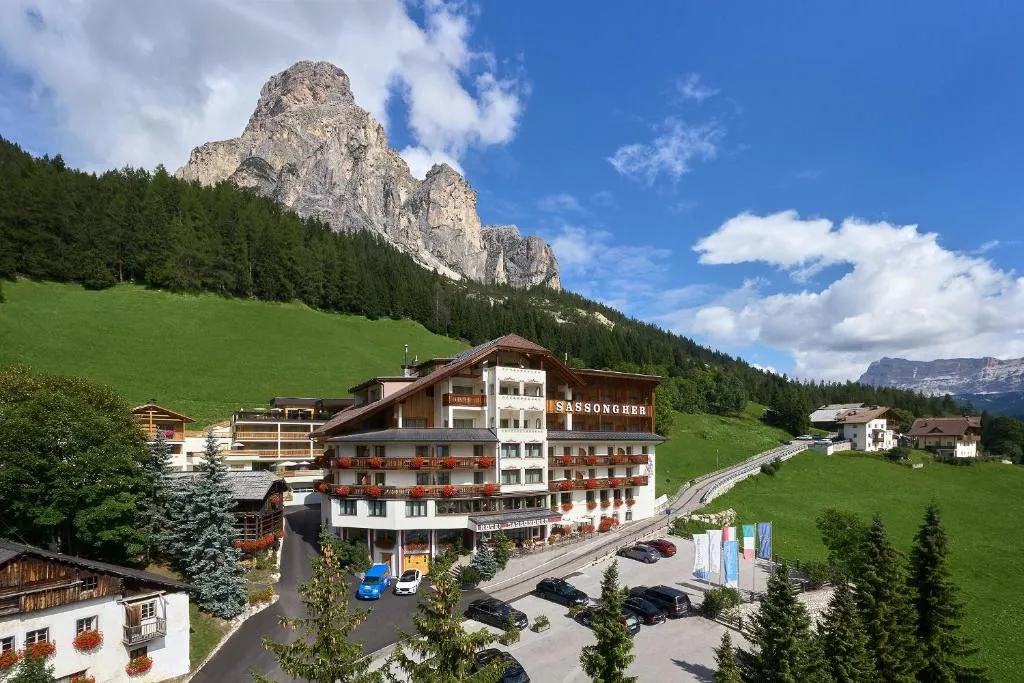 Luxury Hotel Sassongher The castle-like landmark on its rock above Corvara, all old-world half-board rituals and live piano jazz; the walk up is real, the shuttle softens it. Check rates →
Canazei (Val di Fassa), the hiking hub under the Marmolada
Canazei sits at the head of Val di Fassa, hemmed in by the Sella, the Sassolungo, and the glaciered Marmolada, the highest peak in the Dolomites. It's livelier and a touch more resort-y than Alta Badia, and it's the most natural base for serious walkers: lifts and pass roads fan out in every direction, and the Viel del Pan balcony trail above Pordoi is one of the great half-day hikes in the range.
Best for: hikers, active families, and anyone who wants the Sella Ronda and the Marmolada on the doorstep. Skip it if: you want refinement and quiet. Canazei is built for doing, with the energy (and the August traffic) to match. Here's where to stay in Canazei.
Our verified Canazei picks
 Budget Garnì Stella Alpina Seven rooms of carved-wood charm in one of the village's oldest little garnis; breakfast only, and it books out months ahead. Check rates →
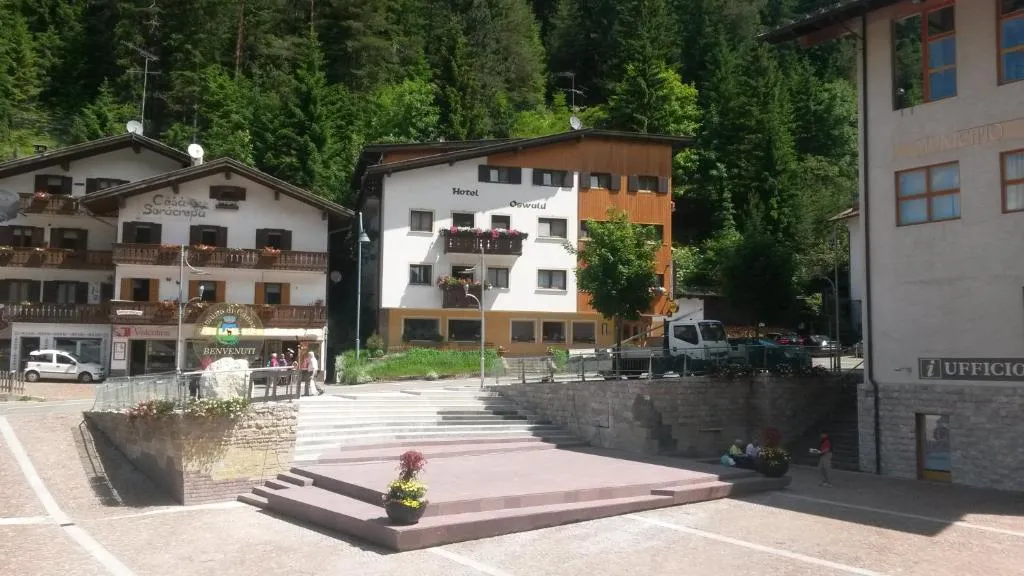 Budget Hotel Oswald A friendly family house in the village core, five minutes on foot from the Belvedere cable car and the Sella Ronda. Check rates →
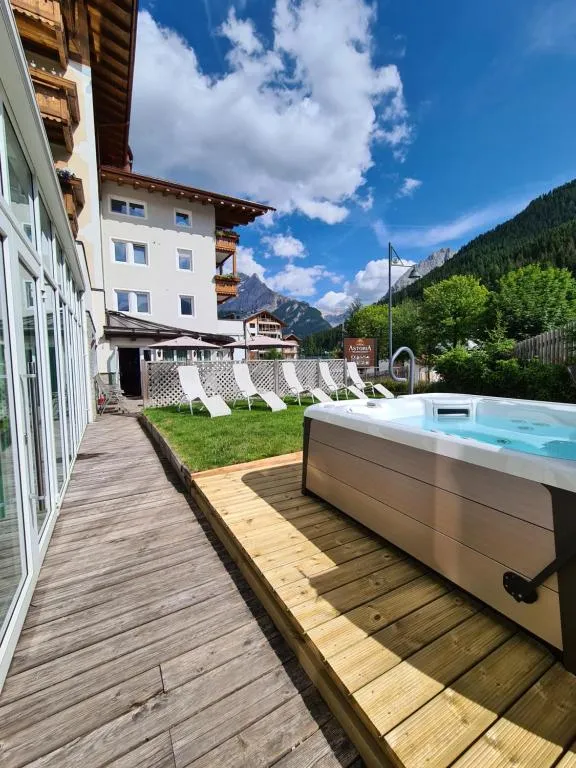 Mid-range Hotel Astoria The textbook Fassa wellness house done well: pool, Turkish bath, generous half board and a free winter ski shuttle. Check rates →
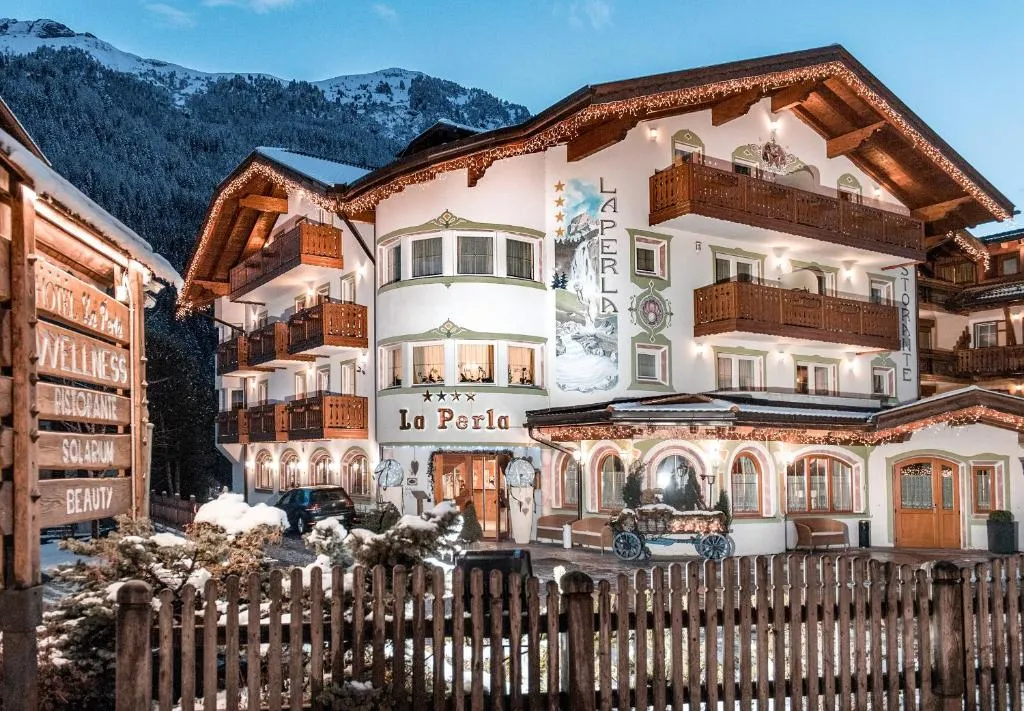 Mid-range Hotel La Perla Wellness & Beauty A family-run four-star where every room gets a balcony and the pool and Turkish bath come standard with the half-board rhythm. Check rates →
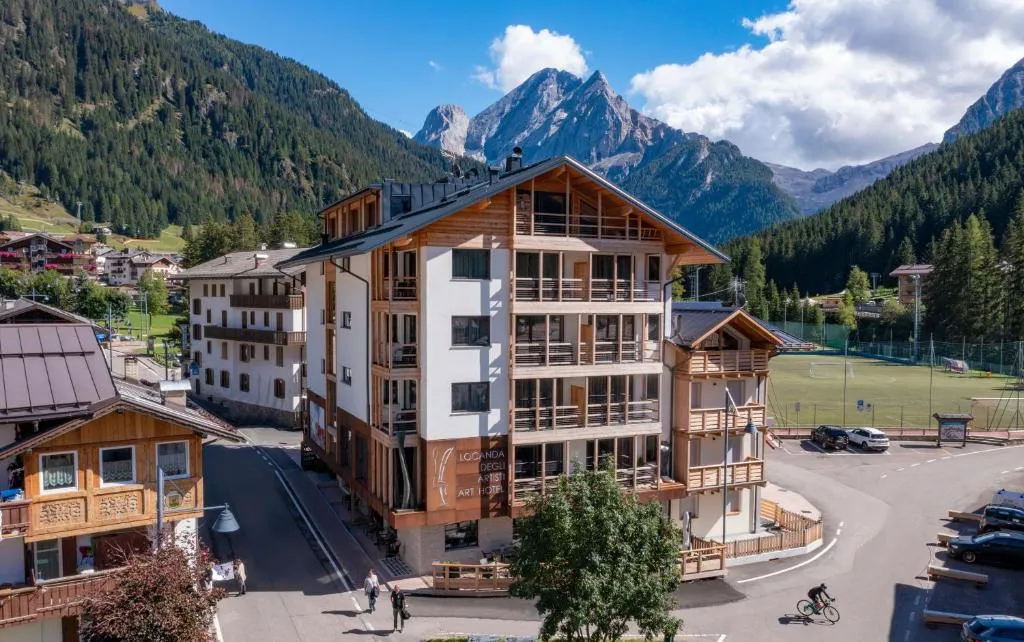 Luxury Locanda degli Artisti Art Hotel An intimate art-gallery-of-a-hotel with artist-themed suites, in-room saunas and a serious gourmet kitchen; personality over big-hotel facilities. Check rates →
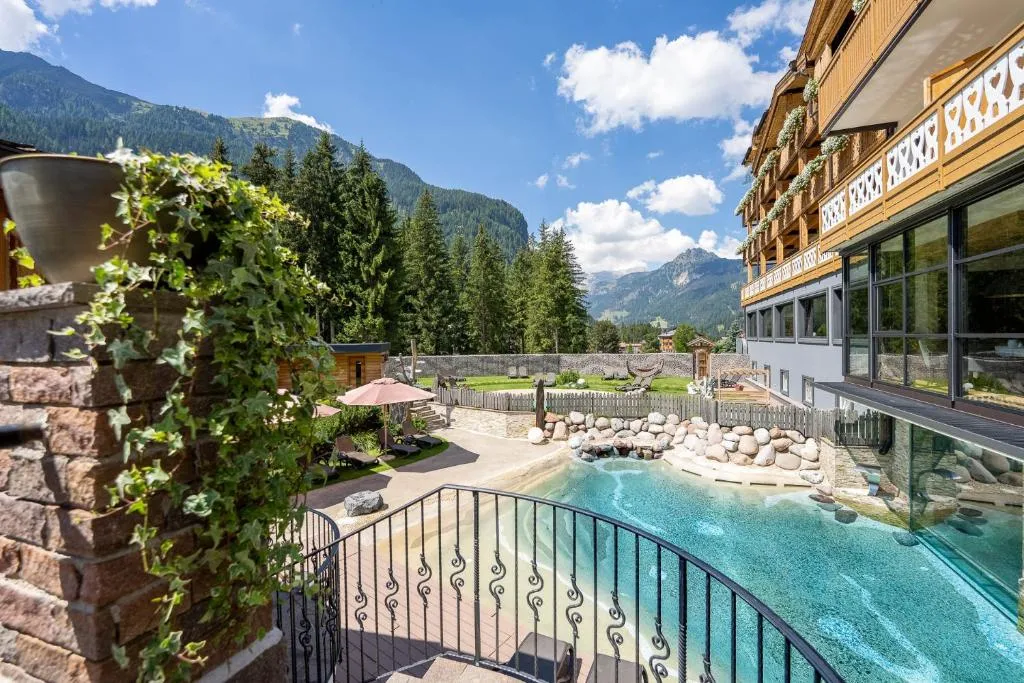 Luxury Croce Bianca Leisure & Spa Hotel The town's grande dame, hosting travelers since 1869, now with a chromotherapy pool and sauna grotto on Canazei's liveliest corner. Check rates →
Bolzano, the gateway you can reach by train
Bolzano isn't a mountain base, so be honest about why you'd stay: it's South Tyrol's bilingual capital, the one Dolomites town on the main rail line, and the most rewarding place to start. Arcaded streets, a buzzing produce market, Ötzi the Iceman, and vineyards on three sides, it's the region's table and cellar, and a perfect soft landing for a night or two before you head up. From here a cable car lifts you to the Renon plateau for a first long view of the peaks.
Best for: a relaxed opening night or two, food and wine lovers, and car-free travelers easing in. Skip it if: your days are precious and the high trails are the whole point. It's the front door, not a room you linger in. Here's where to stay in Bolzano.
Our verified Bolzano picks
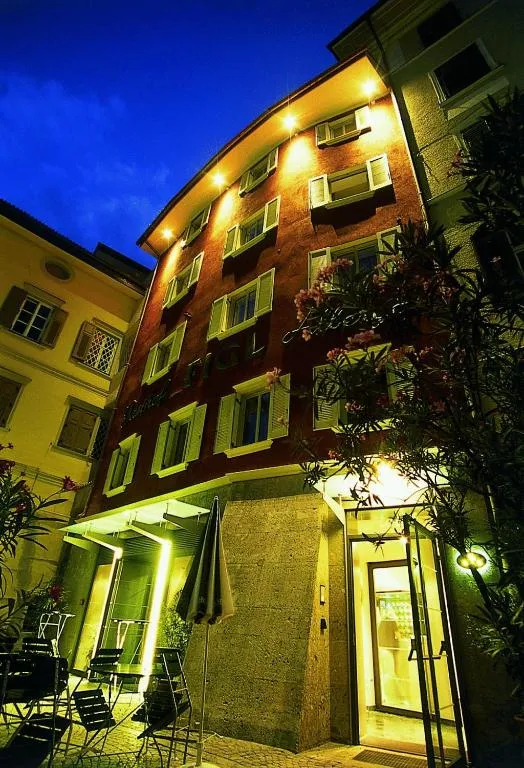 Budget Hotel Figl Snug family-run three-star superior on little Kornplatz square, steps from the arcades. Check rates →
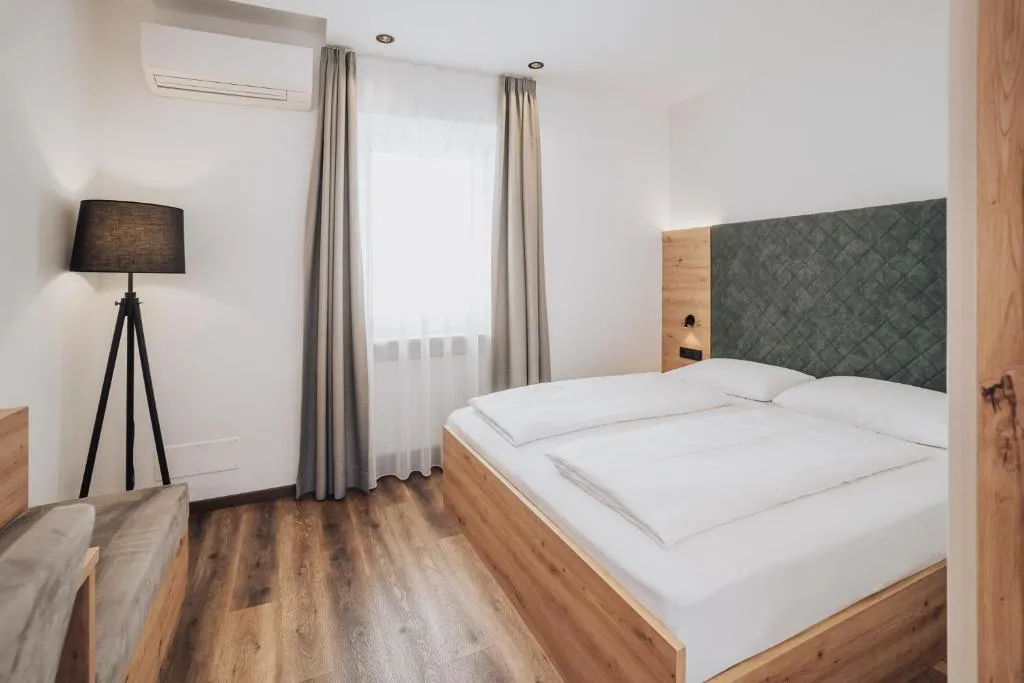 Budget Feichter Hotel & Living Three generations of the Feichter family, a good bistro downstairs, and the Bozen Card included. Check rates →
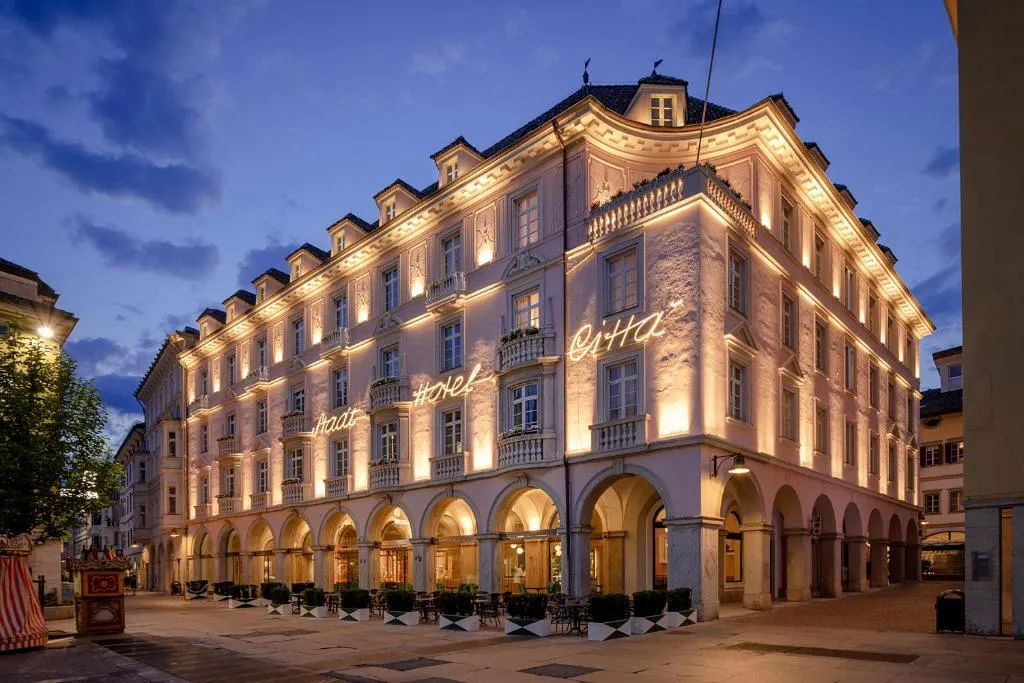 Mid-range Stadt Hotel Città The classic cafe-hotel on Piazza Walther itself, with cathedral views from the front rooms. Check rates →
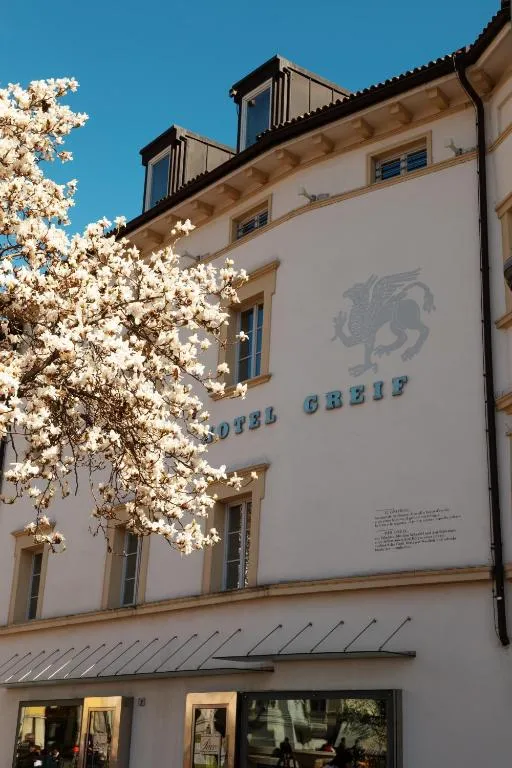 Luxury Hotel Greif Bolzano's design flagship on the main square, a centuries-old inn with art-commissioned rooms. Check rates →
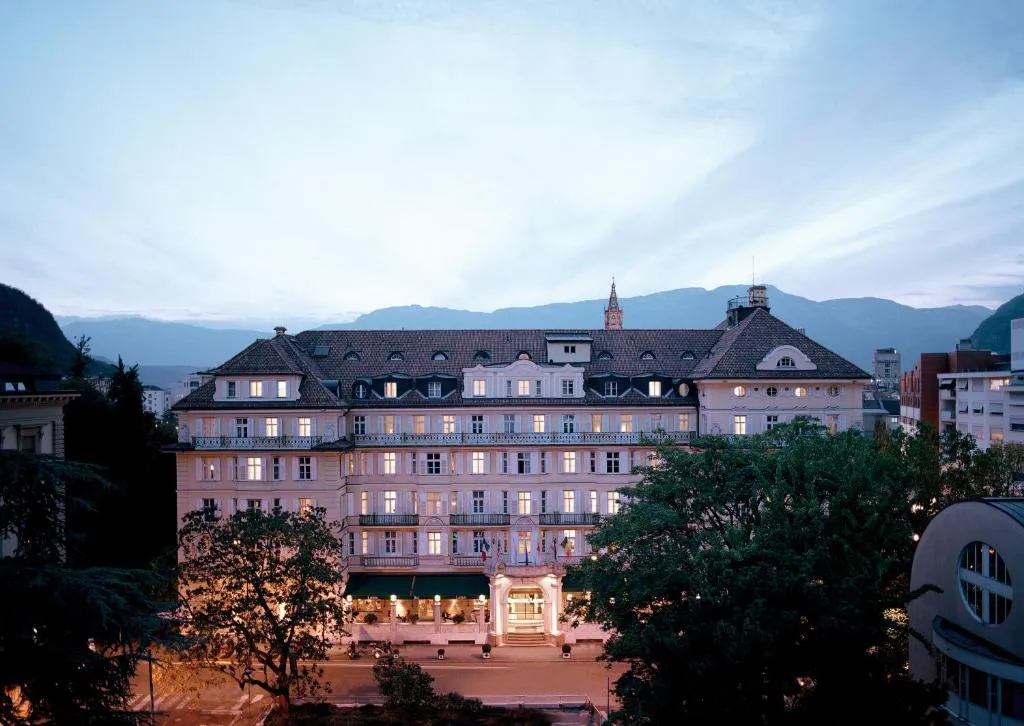 Luxury Parkhotel Laurin The Art Nouveau grande dame since 1910, with a frescoed bar and a palm-shaded park with a summer pool. Check rates →
Where to stay in the Dolomites for hiking
If hiking is the whole point, choose your base by the trailheads you want on your doorstep, not just the town you like the look of. Here is the honest pairing of the range's headline hikes to the base that reaches them fastest, so your mornings go to the trail instead of the switchbacks.
| The hike | Best base | Why |
|---|---|---|
| Seceda ridgeline and the Alpe di Siusi | Ortisei | Cable cars climb to both from the town centre, no car needed |
| Tre Cime di Lavaredo | Cortina or Dobbiaco | A short drive to the Auronzo trailhead; the north side is closer still |
| Lago di Sorapis and the Cinque Torri | Cortina | Both trailheads sit on Cortina's own pass roads |
| Viel del Pan and the Marmolada | Canazei | Lifts and the Pordoi pass fan out from the village |
| Sella Ronda on foot, hut to hut | Corvara | On the circuit, with the best rifugio lunches in the Alps |
| Lago di Braies | Dobbiaco (Alta Pusteria) | The closest bases to the lake and its dawn parking window |
Three hiker's truths the valley-by-valley choice above does not cover:
- Sleep on the mountain, not just in the valley. On the Alpe di Siusi, staying up at Compatsch on the plateau itself, where cars are restricted by day, buys you Europe's great meadow at sunrise and sunset with the day-trippers gone. It is the single best hiker's upgrade in the range, and the stays up there book out first.
- For the eastern icons, split west and east. Basing only in Val Gardena and day-tripping Tre Cime burns the best light on the passes; give Cortina or the Alta Pusteria its own nights.
- Match the base to your legs. Ortisei and the Alpe di Siusi are gentle, cable-car-served walking; Cortina and Canazei reach the bigger, more committing days. Our best hikes in the Dolomites grades each one honestly.
Our verified Alpe di Siusi picks
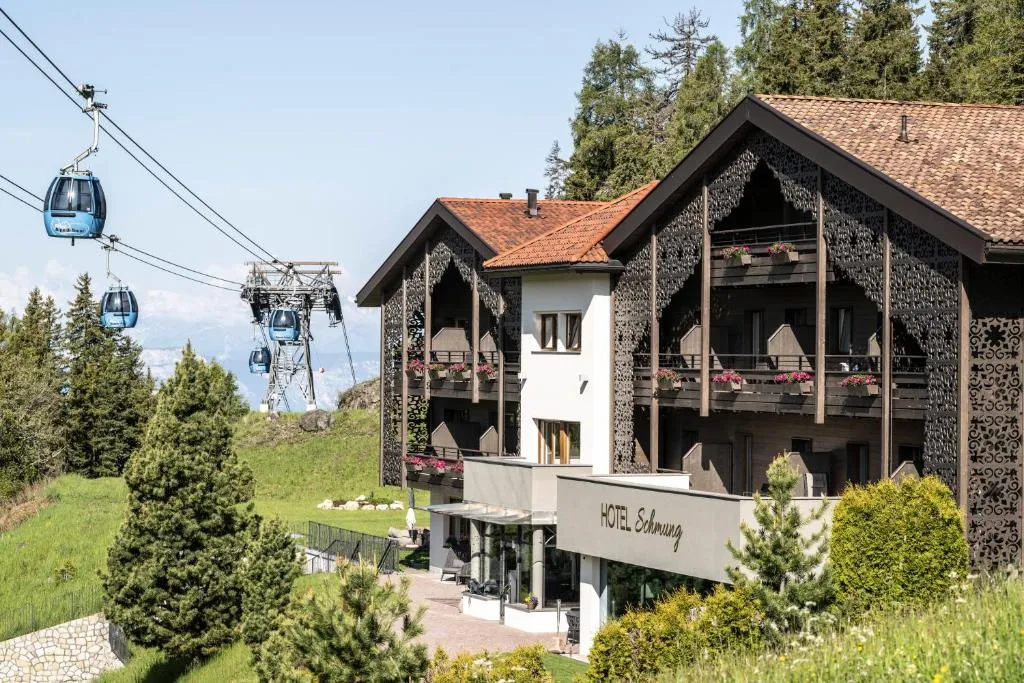 Budget Hotel Schmung A family house right on the alp where the meadow opens up: honest South Tyrolean cooking and piste-side sunsets for the least money up top. Check rates →
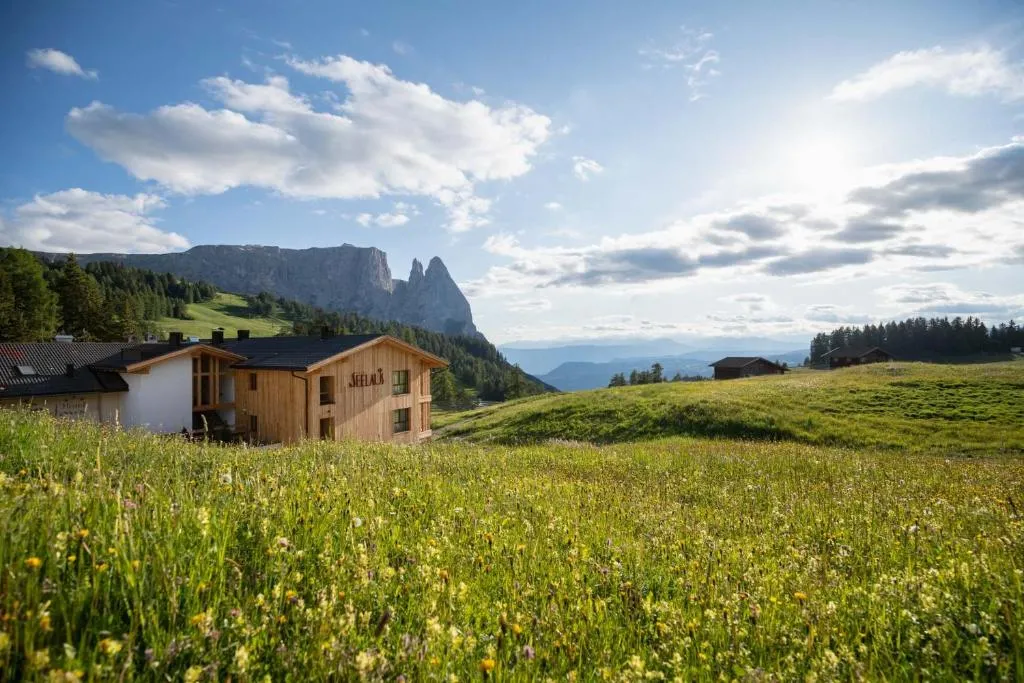 Budget Hotel Seelaus Thirty snug balconied rooms and a small spa near the Compatsch lifts; overnight guests get the drive-up permit day visitors envy. Check rates →
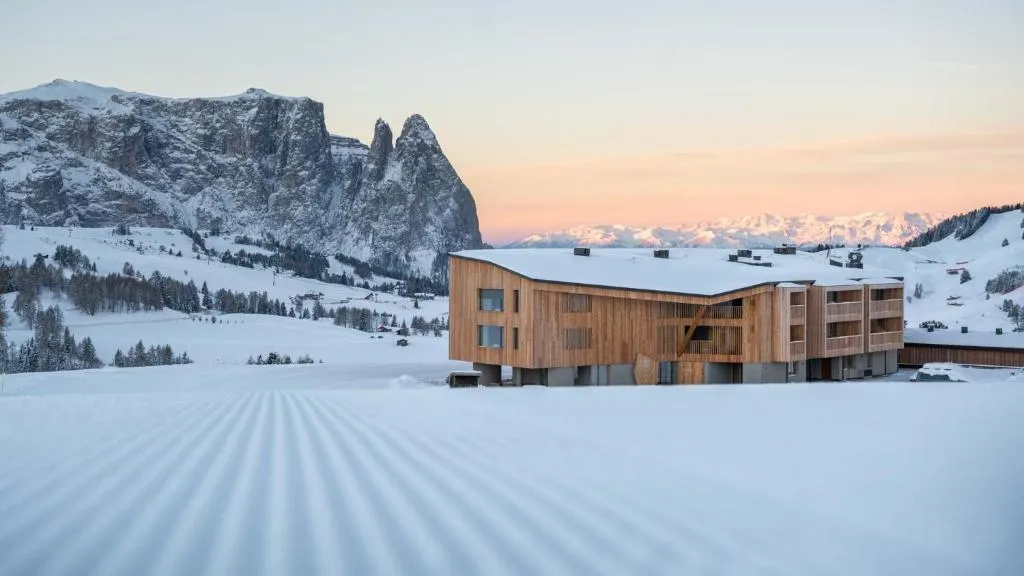 Mid-range ICARO Hotel The design boutique of the alp, all larch and clean lines; you wake to Sassolungo filling the window and step straight onto the trails. Check rates →
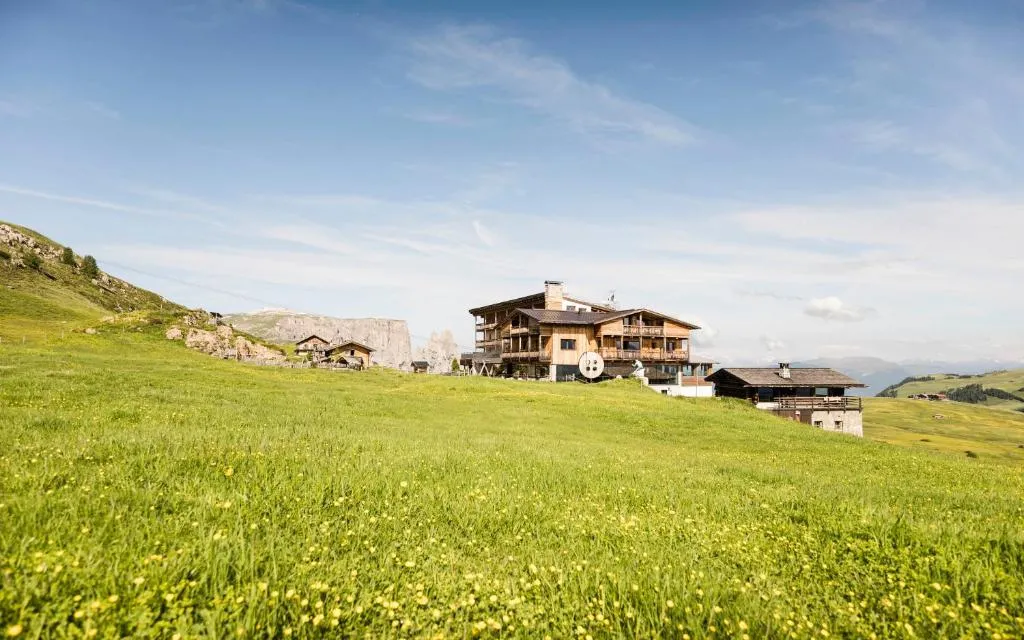 Mid-range Hotel Goldknopf Family-run at two thousand meters with a salt-water panorama pool that seems to spill into the meadow. Check rates →
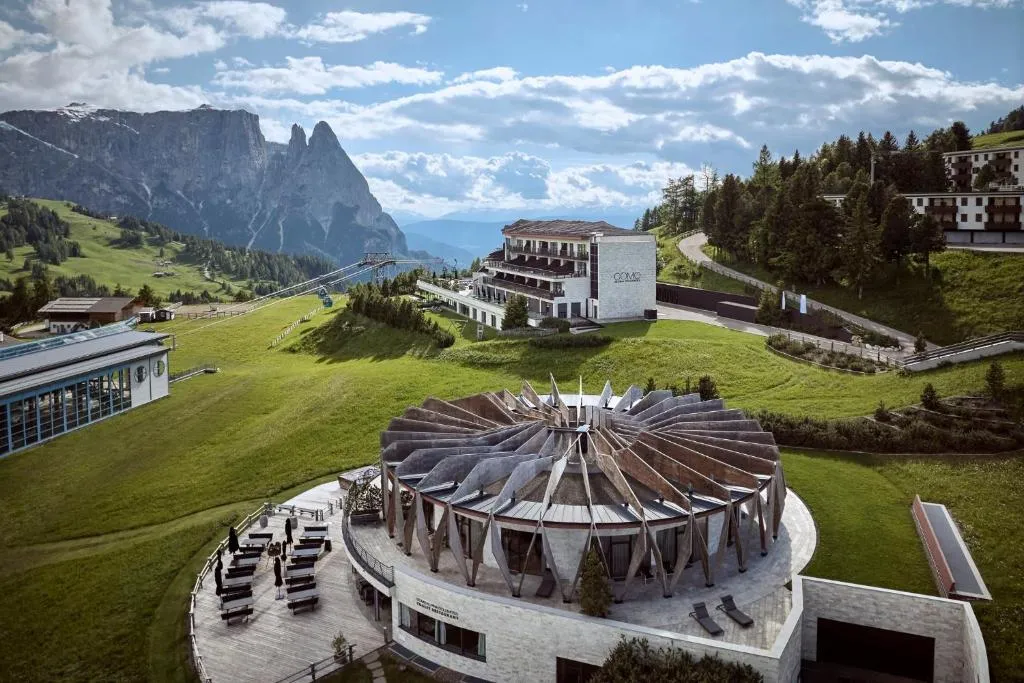 Luxury COMO Alpina Dolomites The plateau's glass-and-larch flagship with Sciliar views from every room; the spa and kitchen make the splurge feel earned. Check rates →
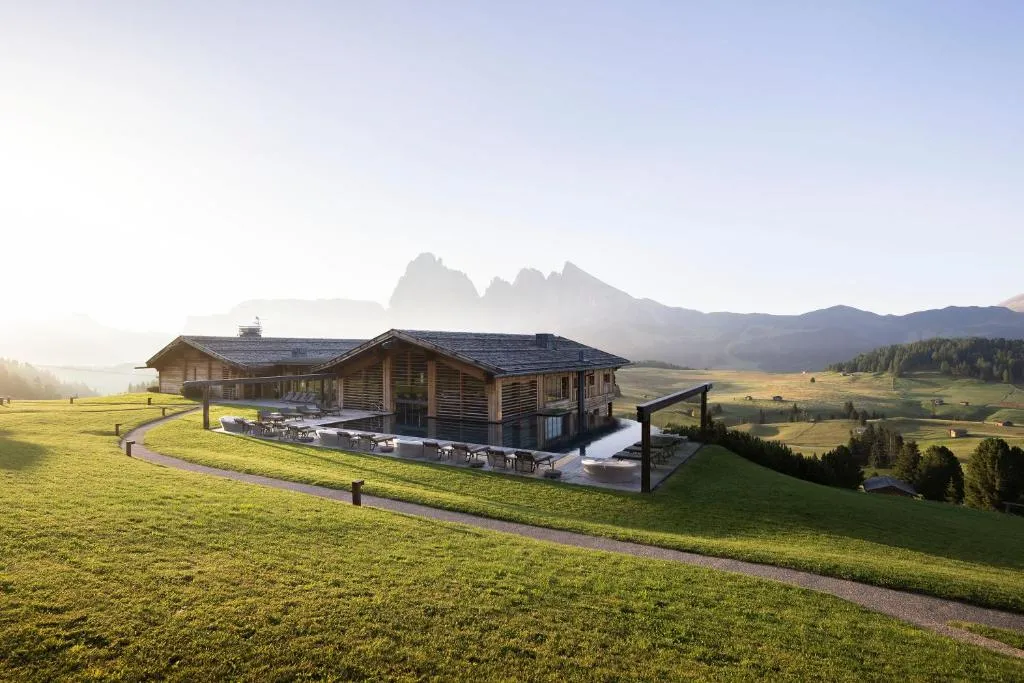 Luxury ADLER Lodge ALPE A hamlet of chalets around a great timber lodge, alone in open meadow, with meals, wine and activities all included. Check rates →
Going hut to hut: the Alta Via 1
For the serious walker, the Dolomites' greatest hike needs no hotel at all. The Alta Via 1 runs roughly a week north to south, from Lago di Braies to Belluno, sleeping in mountain rifugi strung along the ridgelines. Book the huts months ahead for July and August, stage a night in Dobbiaco or Cortina at each end to arrive and recover, and travel light. It is the purest answer to where to stay in the Dolomites for hiking: you sleep among the peaks you came to walk.
The specialist valleys, in brief
A few more pockets earn a mention, each with a sharp identity:
- Val di Funes, the postcard of the little church of Santa Maddalena under the Odle spires. A serene, photogenic base for quiet days, but thin on amenities and best paired with a busier valley.
- Alta Pusteria / Dobbiaco (Toblach), the closest base to Lago di Braies and a quieter, more affordable run at Tre Cime from the north.
- San Martino di Castrozza, the dramatic, less-crowded southern Dolomites under the Pale di San Martino, for travelers who want the scenery without the Val Gardena crowds.
Car or bus?
A car changes the Dolomites trip, full stop. Buses are genuinely good within the main valleys, Val Gardena, Val di Fassa, and Alta Badia all run frequent local lines, and a guest card often covers them, and Bolzano connects by train. So a car-light trip is possible if you base in one valley and lean on lifts and local buses.
But the moment you want the early starts, the remote trailheads, and the great pass roads on your own schedule, and those are the heart of the place, a rental car earns its keep. We cover the trade-offs, the toll roads, and the parking traps in getting around the Dolomites.
The biggest mistake
Booking one base and trying to see the whole range from it. The Dolomites look compact on a map and aren't on the ground. The passes are slow, gorgeous, and not something you want to drive twice a day. People base in Val Gardena and attempt Tre Cime as a day trip, then spend the best light of the day on switchbacks instead of on the trail. Pick two bases, typically one in the western valleys and Cortina in the east, and give each at least two nights. Don't commute over the passes; sleep on both sides of them.
What we'd do
We'd open with a night in Bolzano to land softly, eat well, and shake off the journey. Then we'd base in Ortisei for Val Gardena, Seceda at sunrise, a slow day on the Alpe di Siusi, before driving the passes east, with a gourmet lunch stop in Alta Badia, to finish at Cortina for the famous trails. That arc is exactly the 7-day Dolomites itinerary; the tighter 5-day road trip does the same idea with two bases instead of four.
Match the bases to the month with the best time to visit the Dolomites, and if you're still weighing the whole range against Switzerland, Swiss Alps vs Dolomites is an honest take. When you're ready to lock in your bases, the fastest way is to find your perfect Alps base, answer a few questions and we'll point you to the valleys that actually fit your trip.


