

This is the comparison that completes the map: the French Alps at the western end of the range against the Austrian Alps at the eastern. They sit far apart and pull in opposite directions, so the choice is cleaner than it looks. France is the big-mountain, gourmet, glamour pick; Austria is the value, charm, and après pick. Neither is "better." But one is clearly right for the trip you have in mind. Here's how we'd decide.
At a glance
| Dimension | France | Austria |
|---|---|---|
| Scenery | Mont Blanc drama, alpine lakes | Softer, greener, storybook lakes |
| Cost | Pricier (still below Switzerland) | ~25–35% cheaper across the board |
| Food | Savoyard + Michelin depth | Hearty, great value, café culture |
| Skiing | Biggest linked areas, snow-sure | Value, glacier snow, best après |
| Trains/ease | Leans on a car | Slightly easier, excellent rail |
| Crowds | Lakes and Chamonix get busy | Hallstatt the hotspot, else spread |
| Best for | Big terrain, gourmet, glamour | Value, warmth, nightlife, charm |
Scenery: French grandeur vs Austrian charm
France goes high and dramatic. Chamonix sits directly beneath Mont Blanc, the highest summit in the Alps, and the Aiguille du Midi cable car lifts you into a glaciated, serrated world that feels genuinely raw and serious. Add the turquoise Annecy lakes below, and France gives you the grandest, highest scenery in this matchup. It is big-mountain theatre.
Austria plays a softer, gentler tune, and it is lovelier than people expect. The Tyrol's pretty valleys roll green and pastoral, and the Salzkammergut lakes deliver fairytale moments, with Hallstatt reflected in glassy water the most famous of them. France is grander and higher; Austria is gentler and more storybook.
Verdict: It comes down to what you want to feel, jaw-drop drama or warm enchantment.
Cost: Austria wins, clearly
This isn't close. Austria is meaningfully cheaper, by roughly a quarter to a third across lodging, lift passes, and restaurant meals. A mountain lunch, a day on the lifts, and a hotel night each run lower on the Austrian side, and over a week those gaps compound into real money. If value matters at all, or you simply want to travel longer on the same budget, Austria is the obvious pick.
France is the pricier of the two, though it's worth keeping perspective: France still sits well below Switzerland, the most expensive country in the range. So France is the mid-priced option here, not the splurge. You pay more than in Austria, but you're not paying Swiss prices, and that buys France a lot of room to compete on everything else.
Verdict: Austria, clearly. France is the mid-priced step up, not the splurge.
Where we'd stay on each side
Food: France edges it (but both eat well)
France pulls ahead on depth and refinement. Savoyard cooking, the tartiflette, the diots, the reblochon, is hearty and regional, and the Haute-Savoie hides a startling number of Michelin stars. Megève alone punches far above a village its size. For a trip where dinner is part of the joy, France carries the gourmet crown.
Austria answers with hearty, value-driven fare and a ritual France can't match: the coffee-house culture. Crisp schnitzel, apple strudel, and the unhurried ceremony of a Viennese-style café turn eating into part of the holiday rather than a refuelling stop, and you pay far less for the pleasure. France wins on range and Michelin density; Austria wins on warmth and value. Both, honestly, eat very well.
Verdict: France edges it on refinement; Austria wins on warmth and price.
Skiing: linked size vs value and après
This is where the two countries separate most cleanly, and it's the heart of the choice for a winter trip.
France owns the numbers. It's home to the world's largest linked ski areas: Les Trois Vallées, the biggest of all, stitches Courchevel and Val Thorens onto a single pass, while the Espace Killy links the runs above Tignes and Val d'Isère, and Paradiski joins Les Arcs and La Plagne. These are purpose-built, high-altitude resorts, Val Thorens is the highest in Europe, with glacier skiing and snow that's reliable deep into the season. If your priority is maximum linked kilometers on one pass and the most snow-sure terrain, France is the pick.
Austria counters with character, value, and nightlife. The Arlberg around St. Anton is a huge linked area joining Lech on a single pass, with the steep terrain and the legendary, full-throttle après that made its name. Beyond it sit storied Kitzbühel and the snow-sure glacier skiing of Sölden. It's all excellent value and reliably snowy, and no one out-parties the Austrians at the end of a ski day.
Verdict: France for sheer linked size and altitude; Austria for value plus the best après in the Alps.
Trains and ease: Austria is slightly simpler
Austria edges this one. Its rail network is excellent and well-priced, and its mountain towns are walkable, so a classic Austrian itinerary works comfortably without a car, as our Austria by train or car guide lays out. Trains stitch the valleys and lake resorts together with ease, and you rarely feel stranded.
France is different. Geneva Airport is the usual gateway, and from there the lake towns and Chamonix are quick, but to link the gourmet villages and the big purpose-built ski resorts you'll generally want a car. That's freedom if you like driving and friction if you don't, and our French Alps by train or car guide weighs exactly that trade-off.
Verdict: Austria for car-free ease; France for road-trip flexibility beyond Annecy and Chamonix.
Crowds
Worth knowing before you lock in a date. In France, the lakes and Chamonix run intense in summer, with lines for the Aiguille du Midi on clear mornings and the Annecy waterfront packed in peak weeks. In Austria, Hallstatt is the overtourism cautionary tale, a tiny lake village swamped by midday tour buses, so the move is to stay the night and have it to yourself once they leave. Away from that one magnet, Austria spreads its visitors more thinly, which is part of why it feels the more relaxed of the two.
Verdict: Austria feels calmer once you're past Hallstatt; France's hotspots run intense in peak weeks.
Choose France if…
- You want the biggest linked ski areas on a single pass
- Big-mountain drama under Mont Blanc is the draw
- Food is central to the trip (Savoyard plus Michelin)
- You're happy renting a car and road-tripping the valleys
- You want gourmet lake towns alongside serious peaks
Start with our France hub, where to stay in the French Alps, and the best time to visit the French Alps.
Choose Austria if…
- Value matters, or you want a longer trip on the same budget
- You want the best après-ski in the Alps
- Walkable towns and excellent trains appeal more than a car
- Tyrolean charm, café culture, and storybook lakes are the dream
- You'd rather travel softer and warmer than grand and high
Start with our Austria hub, where to stay in the Austrian Alps, and the best time to visit the Austrian Alps.
Can you combine them?
Technically yes, but be realistic. France and Austria sit at opposite ends of the Alps, roughly a day's travel apart, so pairing them is a two-week-plus undertaking rather than a quick hop. Try to cram both into a single week and you'll spend it in transit and arrive home having seen neither properly. If you have the time, plan it deliberately; otherwise treat them as two separate trips and go deep on one.
What we'd do
If the trip is built around skiing or big-mountain scenery and the budget can stretch, we'd choose France: base in Chamonix for Mont Blanc, or aim for the linked giants of Les Trois Vallées and the Espace Killy, and accept that you'll want a car. For everyone else, value-seekers, après people, anyone who wants warmth, charm, and change to spare, we'd choose Austria every time. It's softer, friendlier, cheaper, and quietly the more relaxing holiday.
Where we'd actually stay
If the verdict landed, here is where we would actually sleep on each side, one verified pick per country.
 Found on Booking.com
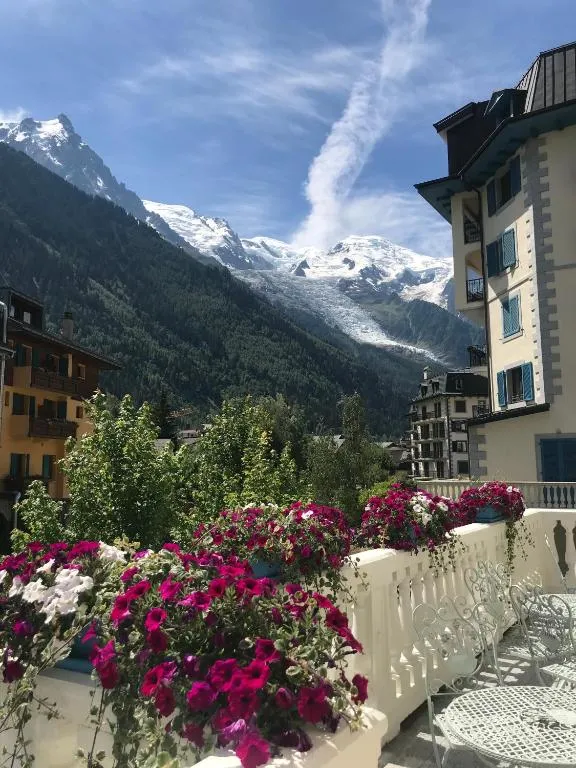
Chamonix, France
Grand Hôtel des Alpes
Chamonix's 1840s grande dame on the main street; ask for a room off the street if you sleep light. The setting delivers the drama this comparison promises from the French side.
- Best for
- Big-mountain France, classic address
 Found on Booking.com
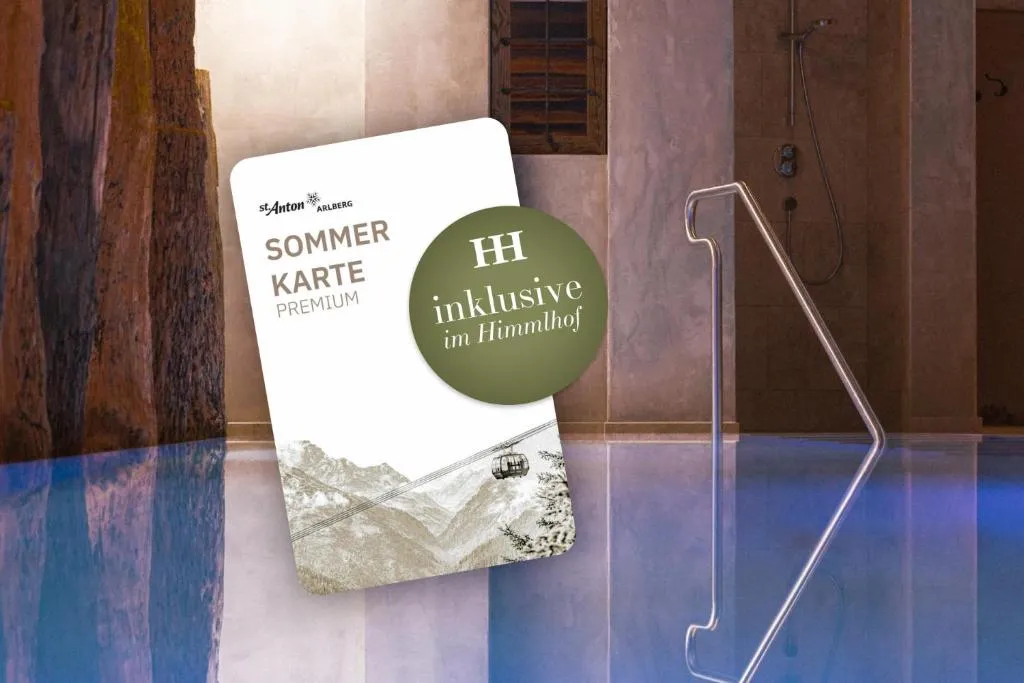
St. Anton am Arlberg, Austria
Himmlhof
A near-perfect little Tyrolean boutique on a quiet lane by the Galzigbahn, with a proper sauna and steam spa; the best guest score in town. A fine base to test the Austrian side of the argument in its most legendary valley.
- Best for
- Tyrolean boutique, Arlberg energy
Go deeper: where to stay in Chamonix and St. Anton.
Some links on this page are affiliate links. If you book through them we may earn a small commission, at no extra cost to you. It helps keep our guides free. We only recommend what we’d book ourselves.
Weighing the other neighbors? See French Alps vs Swiss Alps and Swiss Alps vs Austrian Alps. Still not sure which country fits at all? Our how to choose which alpine country pillar walks you through it, or find your perfect Alps base and we'll match the country to how you actually want to travel.


